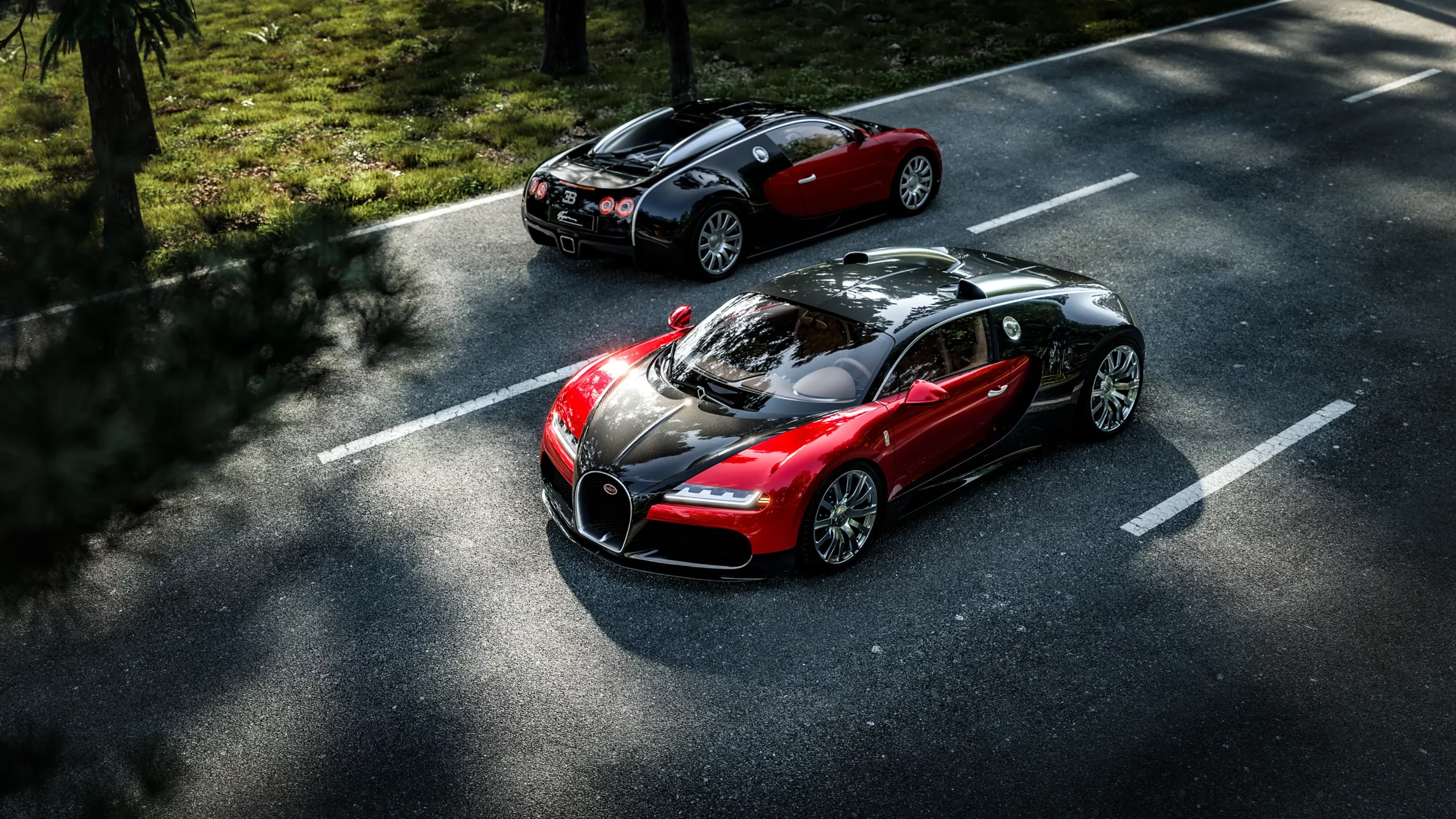
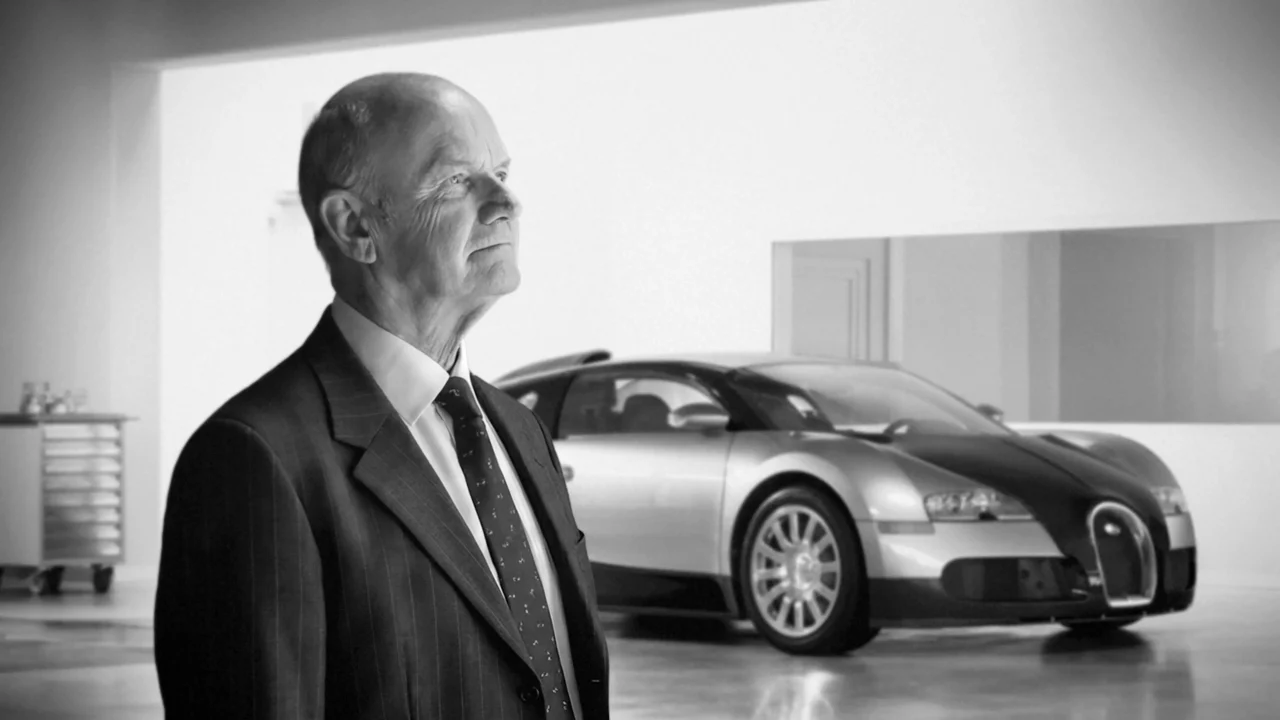
Yirmi yıl önce, Bugatti Veyron otomotiv olasılıklarının kurallarını yeniden yazdı. 1.001 beygir gücü, 400 km/s’yi aşan azami hızı ve bir performans otomobilinde daha önce görülmemiş rafinelik seviyesiyle tamamen yeni bir kategori yarattı: hiper-GT. Bugün, Solitaire Programı’nın ikinci eseri olarak Bugatti, hem orijinal Veyron’un devrimci ruhunu hem de onu mümkün kılan vizyoner mühendisi onurlandıran bir başyapıt olan F.K.P. Hommage’ı tanıtıyor: Dr. Ferdinand Karl Piëch’i onurlandırıyor.
Veyron’un hikayesi Molsheim’da değil, Dr. Ferdinand Karl Piëch’in Bugatti’nin rönesansının kalbi olacak devrim niteliğindeki W motor konfigürasyonunu çizdiği Japonya’daki bir hızlı trende başlar. Volkswagen Grubu Başkanı olarak Piëch, Golf’ü dönüştüren kompakt VR6’dan Passat ve Bentley’lere güç veren W8 ve W12’ye ve nihai ifade olan dört turbolu W16’ya kadar Volkswagen’in benzersiz VR motor mimarisini geliştirerek mühendislik dehasını zaten göstermişti.
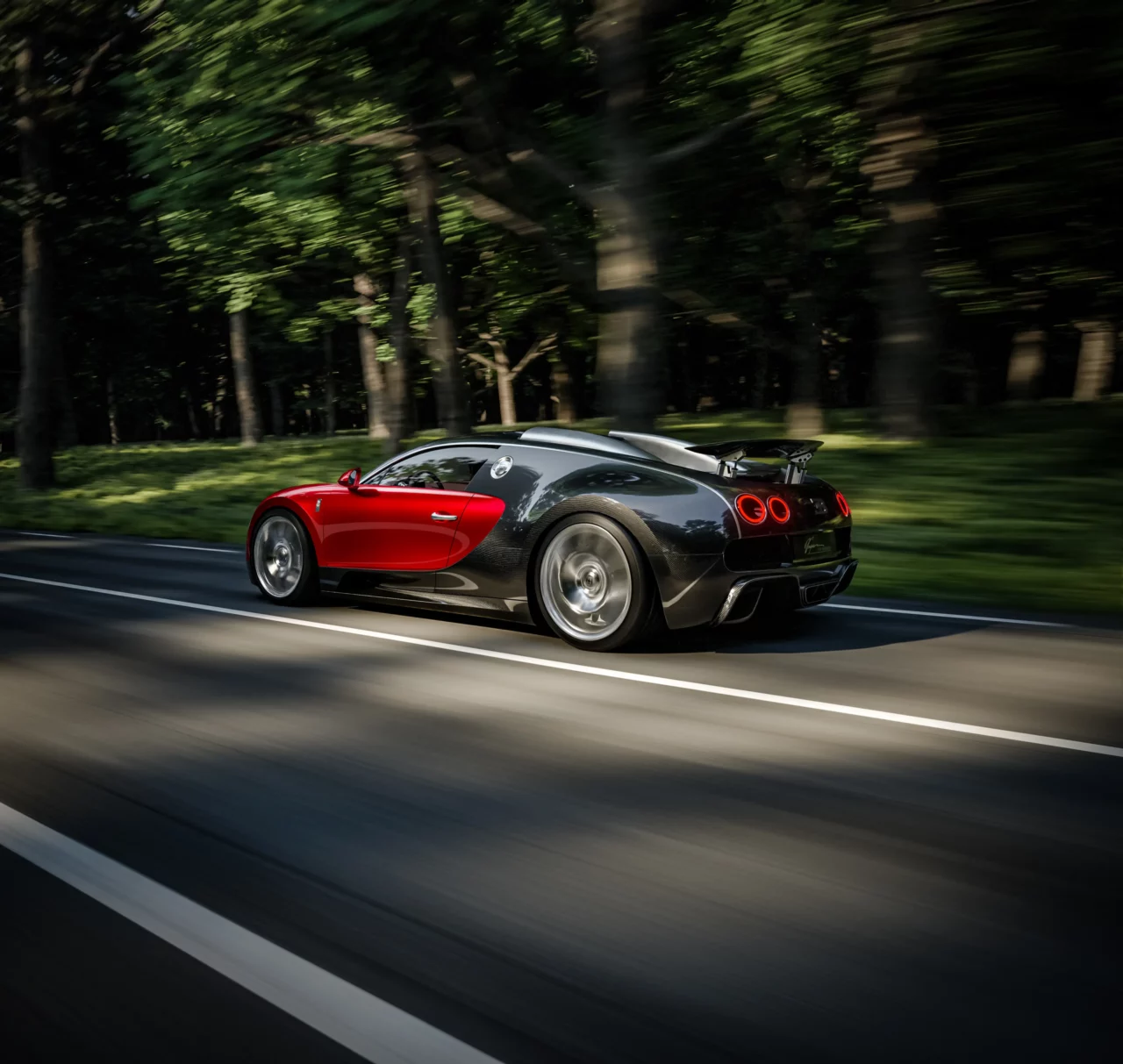
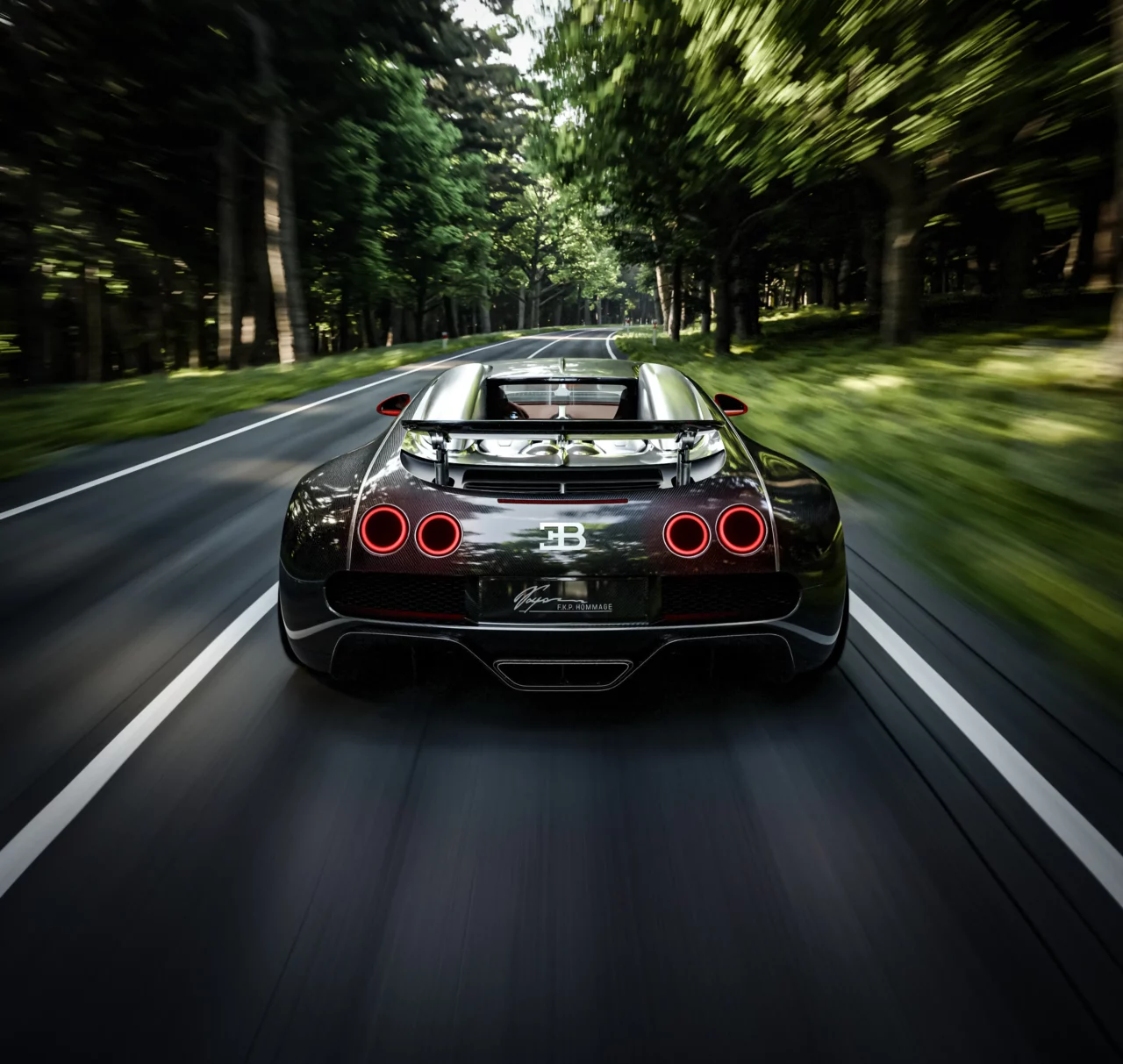
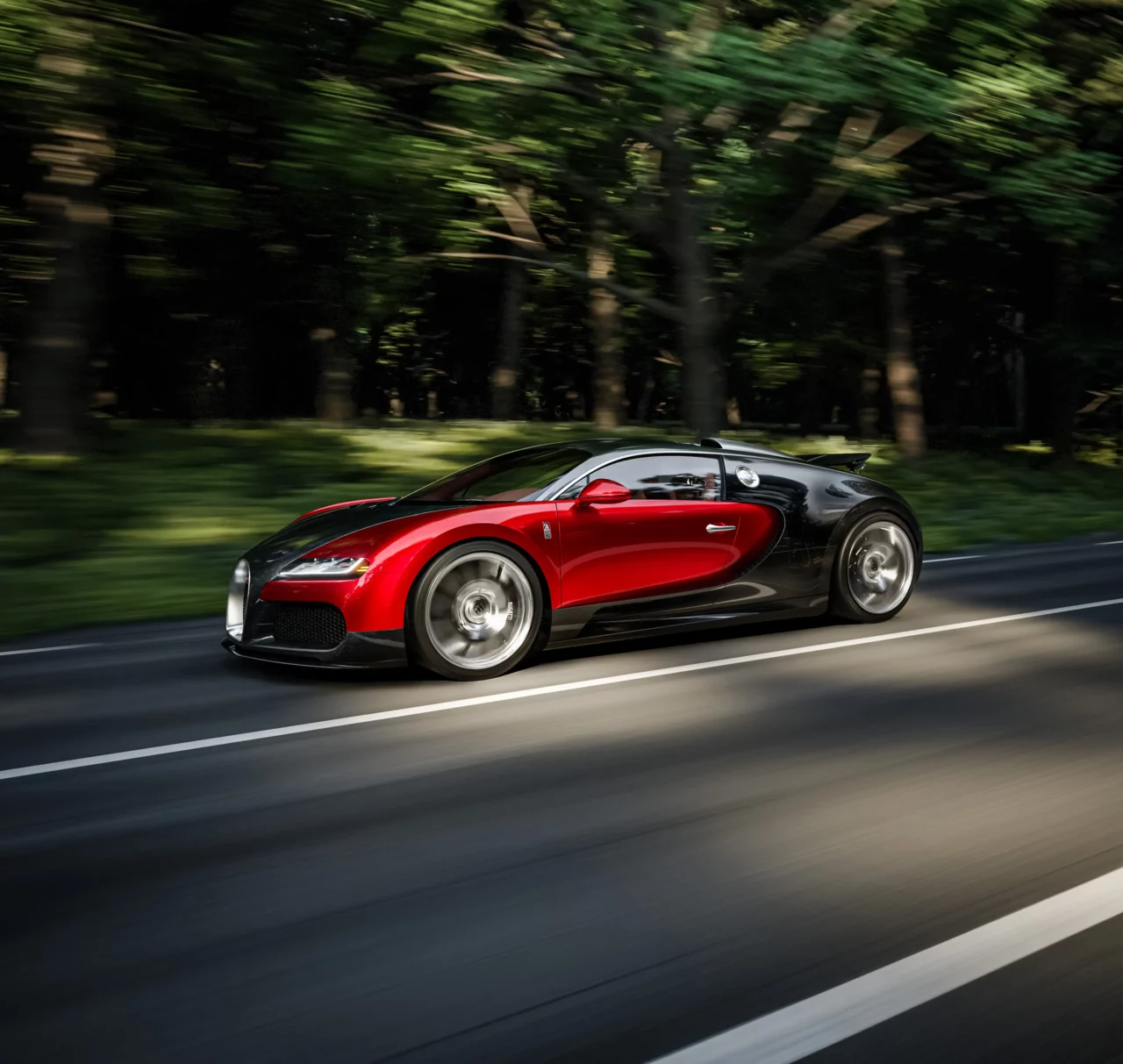
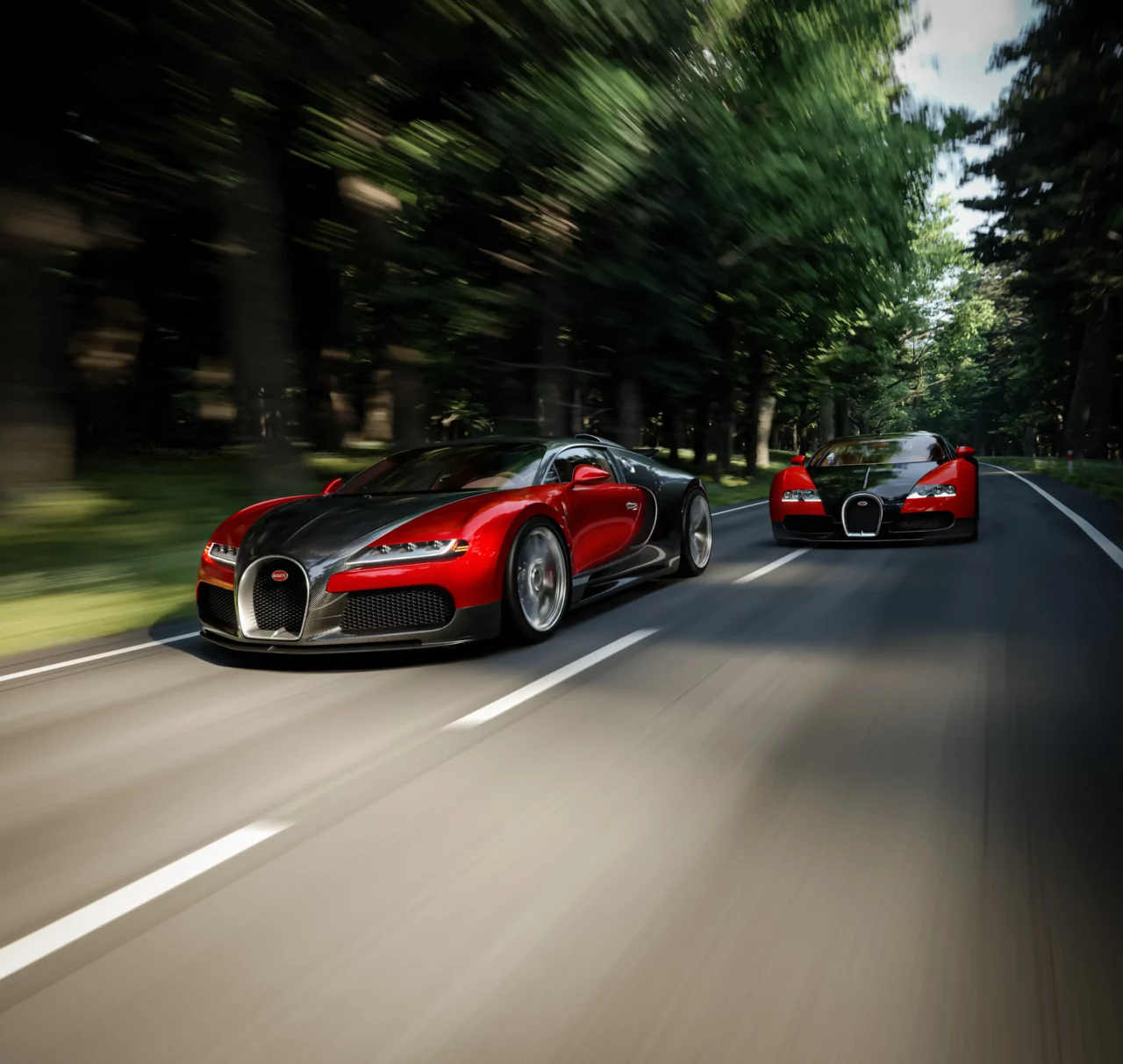
W16 motorun kendisi bir paketleme harikasını temsil ediyor. Silindirleri kısa ve geniş bankalı bir konfigürasyonda kademelendiren mühendisler, normalde bir metre uzunluğunda olması gereken güç ünitesini sadece 645 milimetreye sıkıştırarak Veyron’un dikkat çekici derecede kompakt 2.700 mm dingil mesafesini mümkün kılmıştır. Bu mimari deha, dört tekerlekten çekiş ve mükemmele yakın ağırlık dağılımı ile birleşince ortaya yıkıcı olduğu kadar medeni bir hiper otomobil çıktı.
“Prof. Dr. Ferdinand Karl Piëch was a man who saw the impossible not as a roadblock but as a challenge. His vision for Bugatti was absolute: 1,000 horsepower, 400 km/h top speed, all-wheel drive, and refined enough to arrive at the opera in a tuxedo or a ball gown. The F.K.P. Hommage celebrates this uncompromising pursuit of excellence, combining the timeless proportions of the original Veyron with two decades of engineering evolution.”
Hendrik Malinowski
Bugatti Genel Müdürü
When the Veyron debuted at the 1999 Tokyo Motor Show, designed by a young Jozef Kabaň under Hartmut Warkuß’s direction, it presented a radically different aesthetic philosophy. Where many supercars still followed the forward-leaning wedge shapes popularized by Gandini, the Veyron reclined. Noble and self-assured – it was a 1,000-horsepower car defined by composure rather than spectacle. This confident, Bauhaus-influenced design language has aged remarkably well, remaining contemporary two decades later.
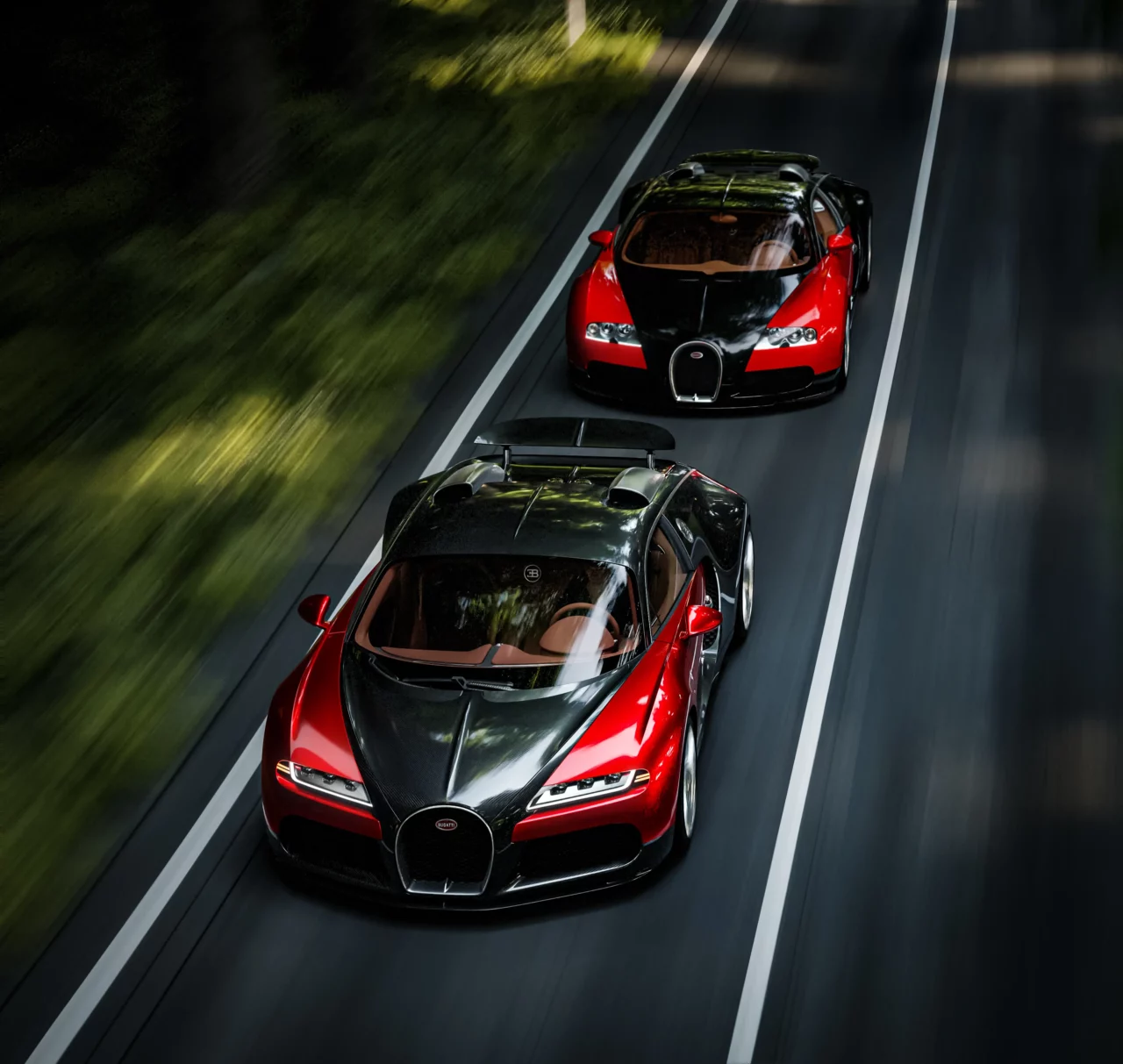
Built upon the highest evolution of Bugatti’s W16 platform, the F.K.P. Hommage features the 1,600 hp quad-turbocharged engine first introduced in the Chiron Super Sport – the very car that fulfilled Piëch’s speed ambitions by exceeding 300 mph. This represents the pinnacle of W16 development: larger turbochargers, enhanced intercoolers, upgraded cooling systems, and a reinforced gearbox capable of handling the increased torque.
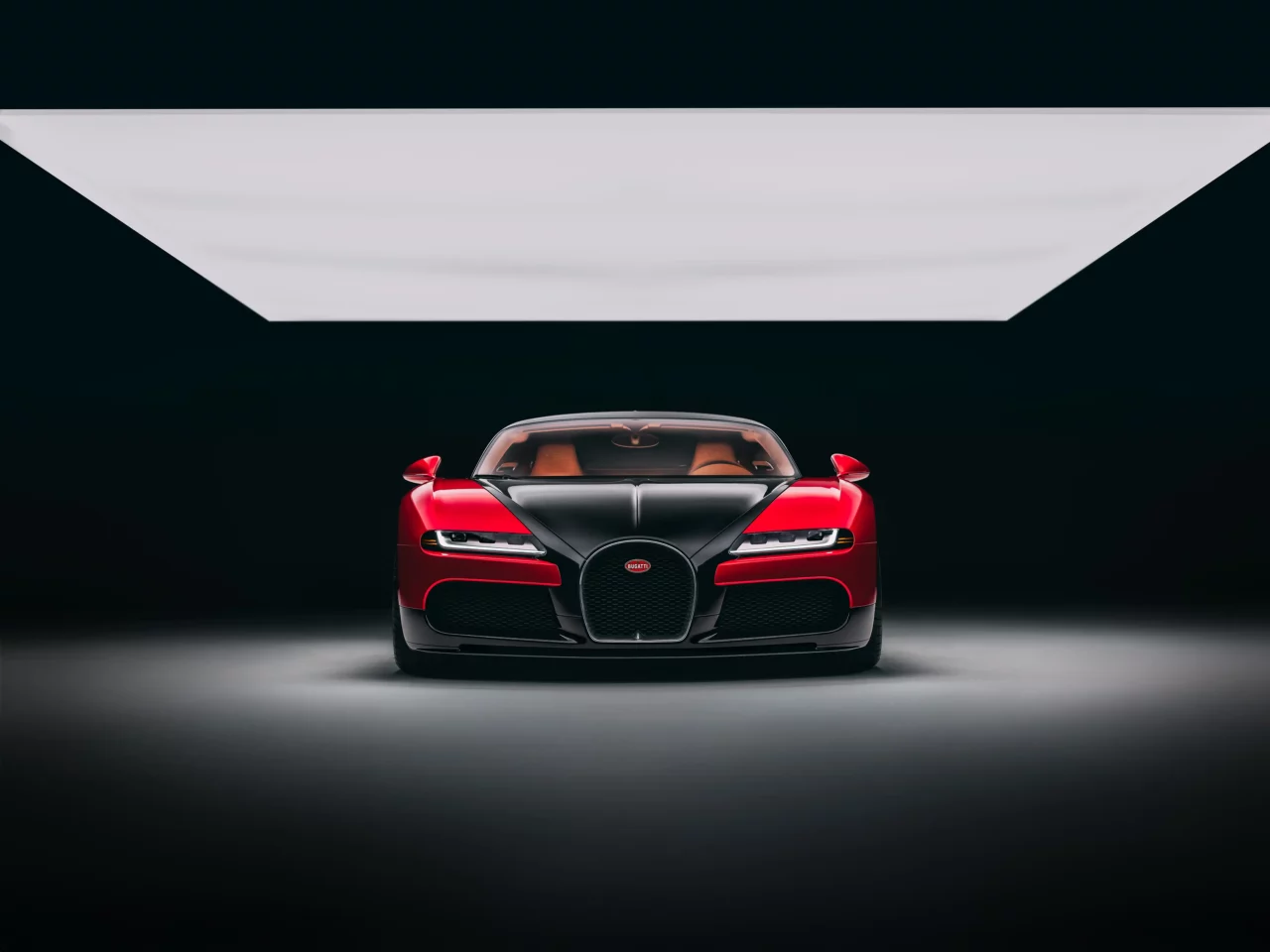
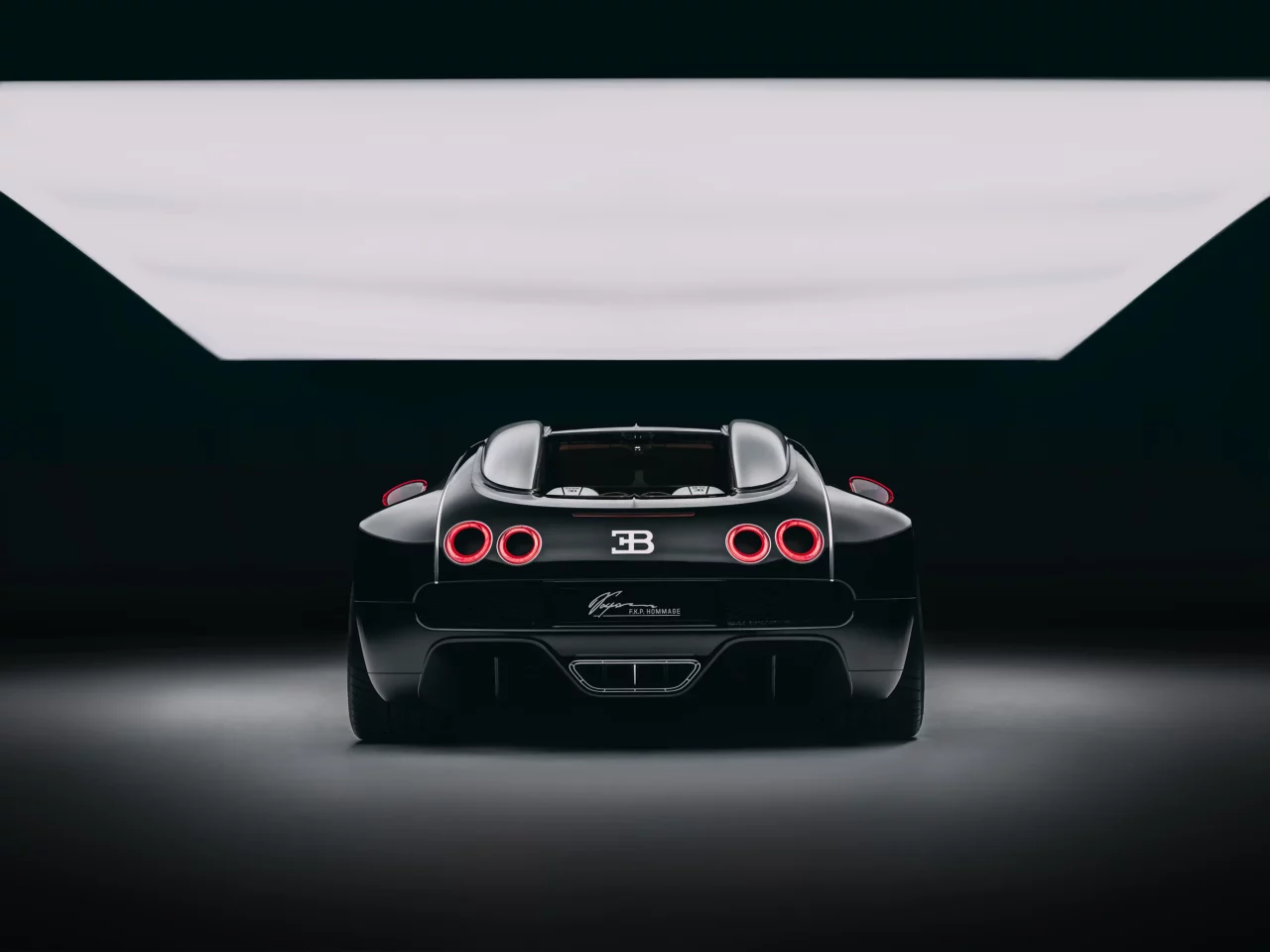
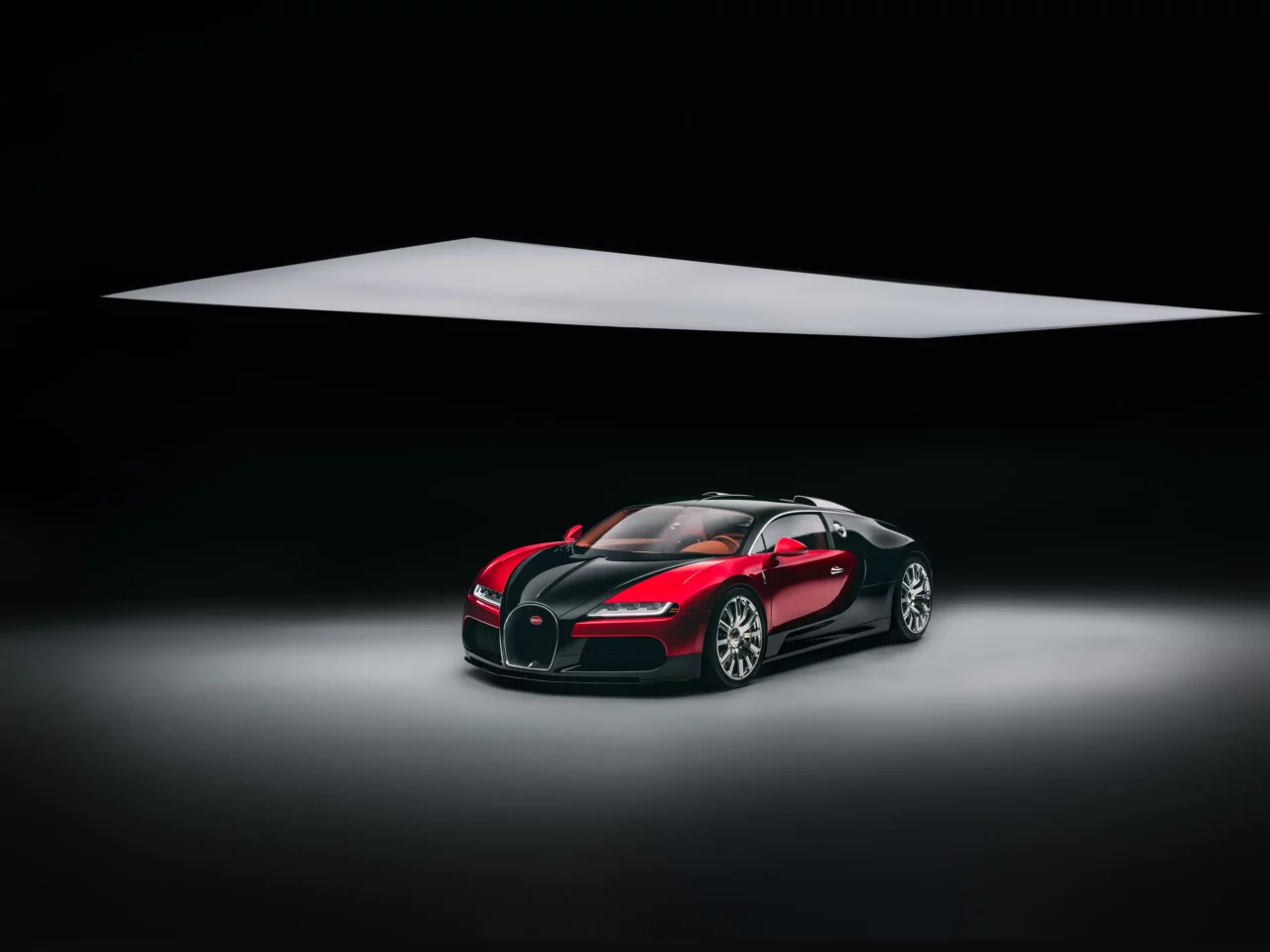
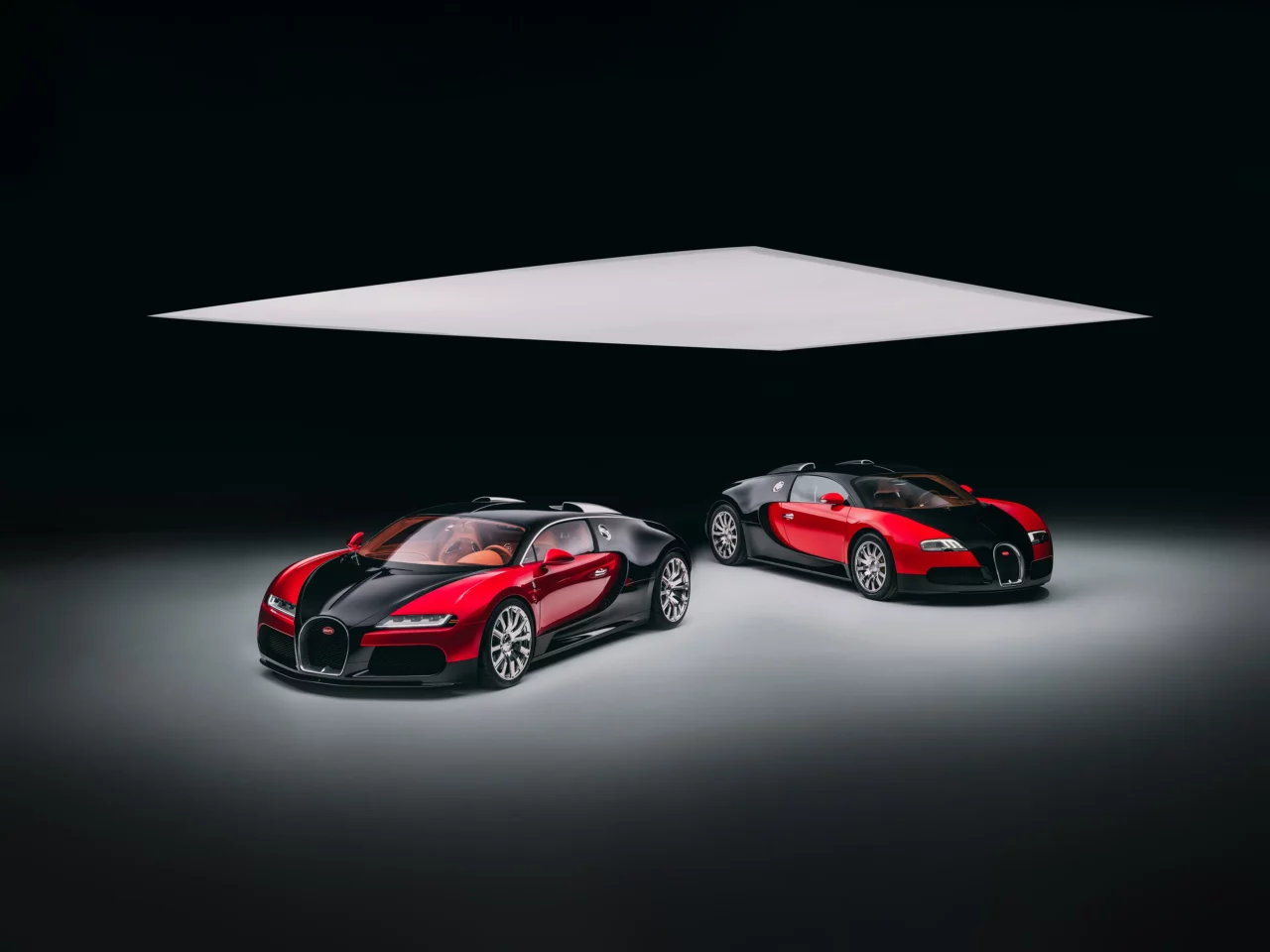
The exterior showcases a subtle yet significant evolution. While maintaining the Veyron’s leaning-back posture and dropping belt line – at a time when supercars were simply repeating the wedge-shaped, forward-angled look – every surface has now been refined. The three-dimensional horseshoe grille, machined from a solid block of aluminum, now flows organically into surrounding bodywork, rather than its original more two-dimensional approach. This new clarity extends to the color division, which aligns precisely with the updated panel layout, creating a more harmonious visual split across the body. Larger air intakes within the front feed the more powerful engine, while the signature air ducts are maintained right behind the occupants’ heads. Updated wheel sizes – 20-inch front, 21-inch rear – utilize the latest Michelin tire technology, improving both performance and visual balance.
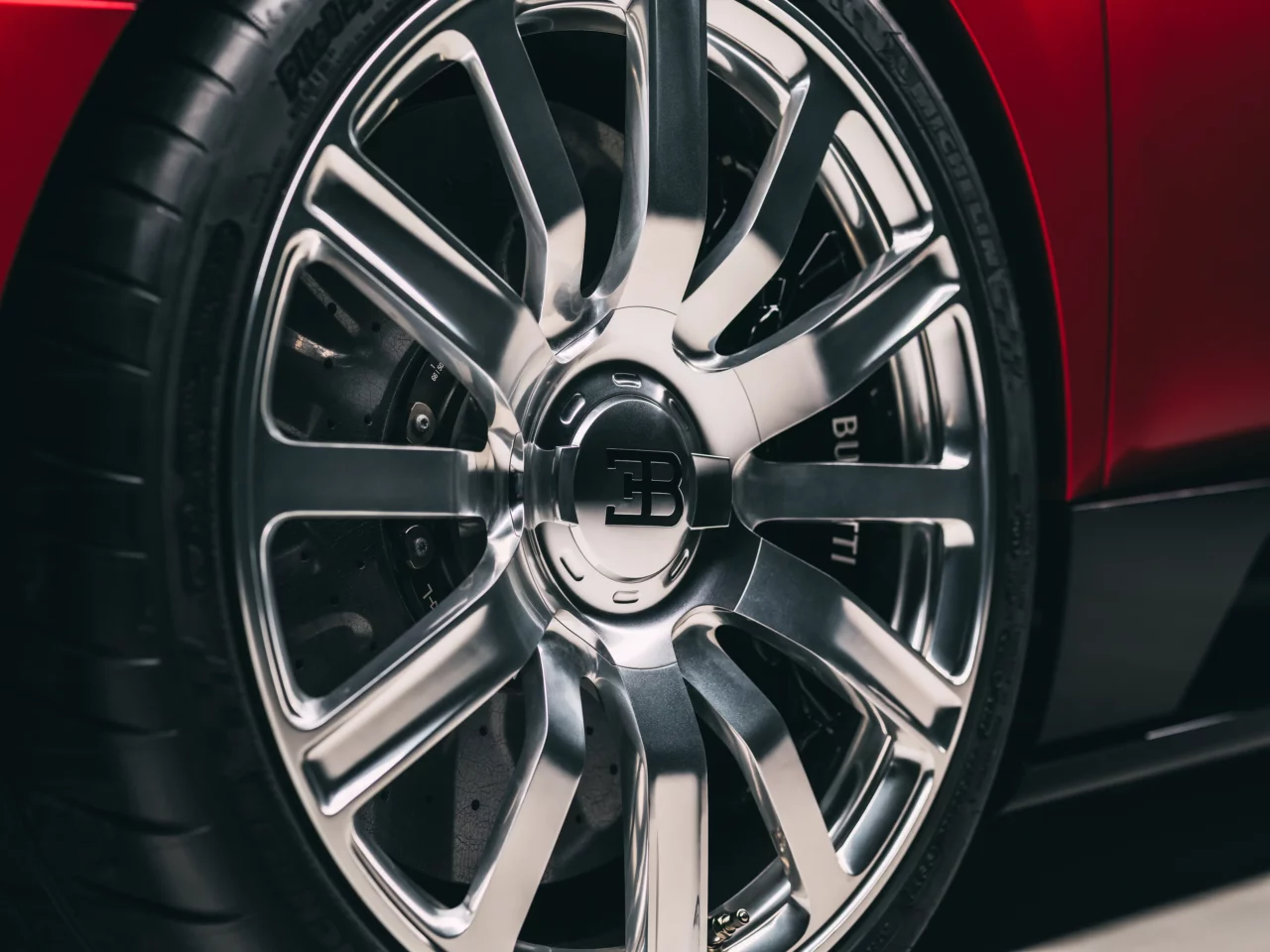
Cutting-edge paint technology has made incredible strides in the 20 years since the Veyron’s introduction, and the F.K.P. Hommage sits right at the vanguard of these improvements. A distinctive red exterior finish employs advanced layering techniques: a silver aluminum-based coat beneath a red-tinted clear coat, creating extraordinary depth and three-dimensionality that reveals itself as one moves around the car. Black-tinted exposed carbon fiber – as opposed to standard black paint – provides contrast with a 10% black pigment integrated into the clear coat, offering both visual and tactile richness upon close inspection.
“The Veyron was the first of its kind, and in the world of collectible automobiles, the first and last of a kind are always the most significant. It created an entirely new segment – the million-euro hypercar that could travel to the opera in the evening and break speed records by day. When I first arrived at Bugatti, I was sketching developments of the Veyron, looking at how we could evolve the styling; ultimately these projects never came to fruition, but it feels almost as though Prof. Dr. Piëch could see we would have a need for them one day. If he was still here to see this ‘next opportunity’ made real, I’m sure he would agree that this is the most appropriate celebration of his vision that we could possibly create.”
Frank Heyl
Bugatti Design Director
The F.K.P. Hommage’s interior represents a near-complete revolution compared with any other recent W16 model, including both Chiron and Mistral. A unique steering wheel – circular and Bauhaus in character like the original Veyron – joins a completely bespoke center console and tunnel cover machined from solid aluminum blocks. Custom Car Couture fabrics, woven exclusively in Paris, represent Bugatti’s latest advancement in interior personalization, introduced with the Tourbillon – an evolution of the leather-only interiors of the Veyron.
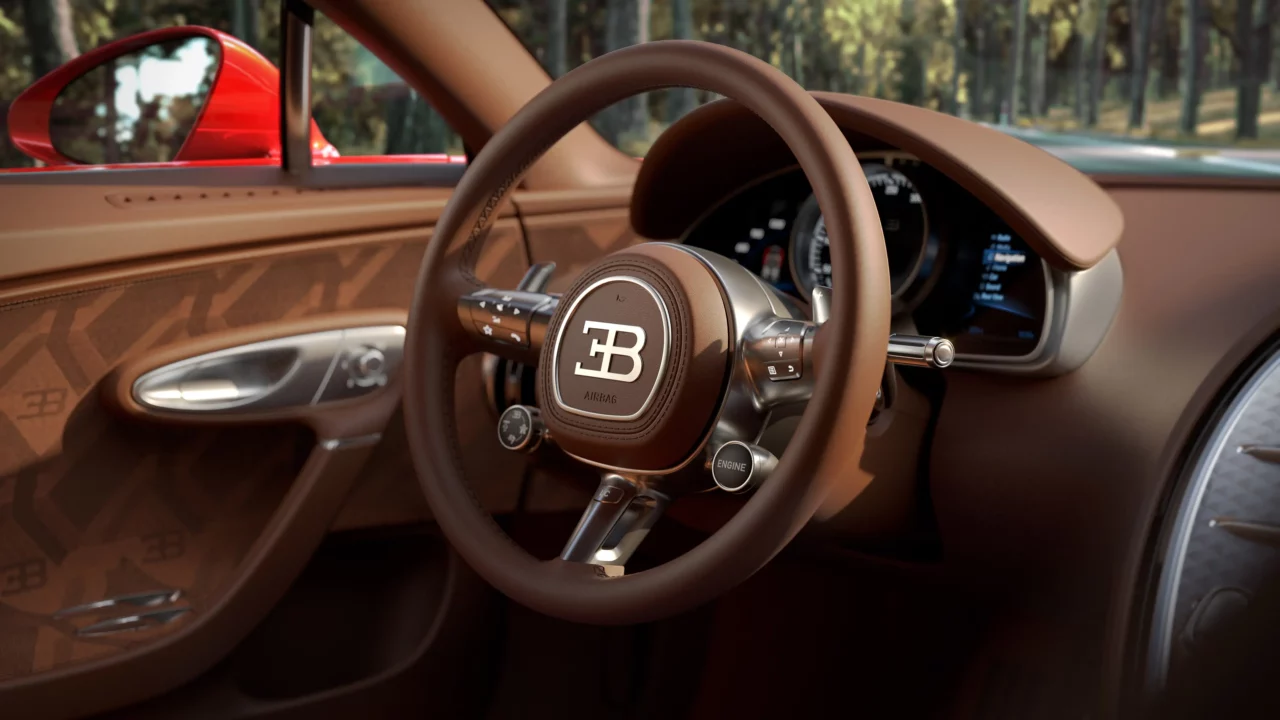
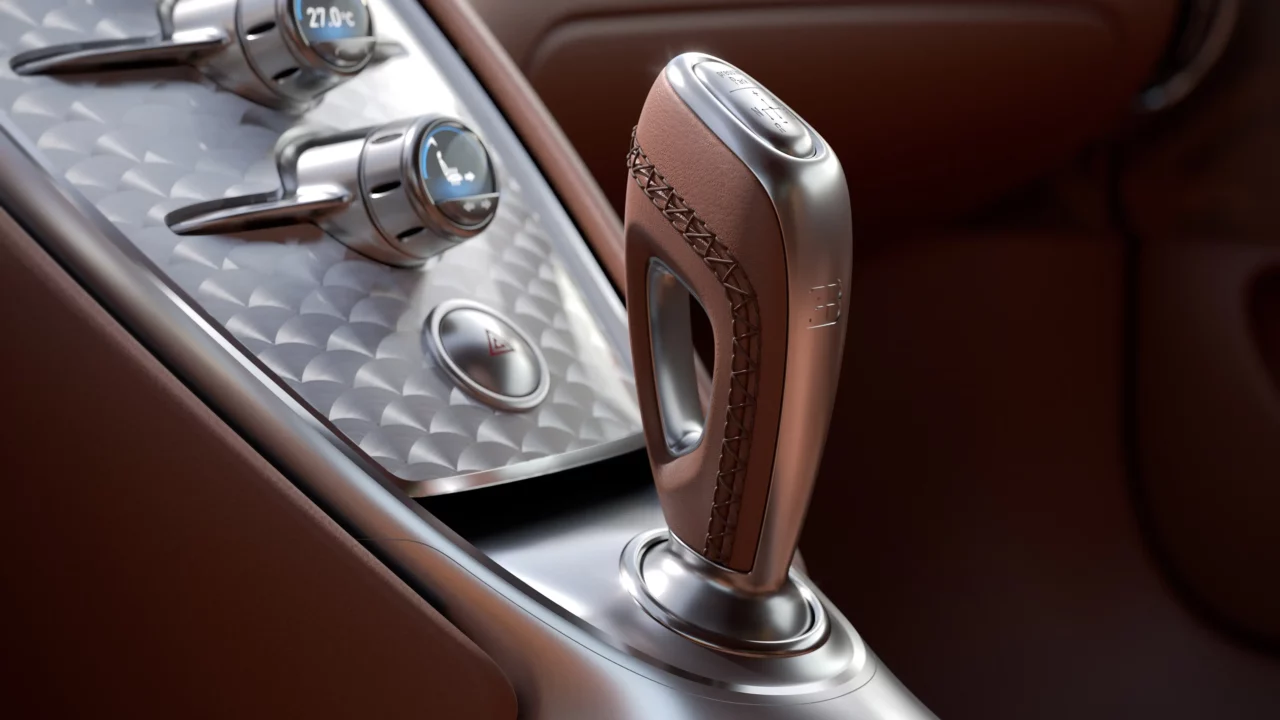
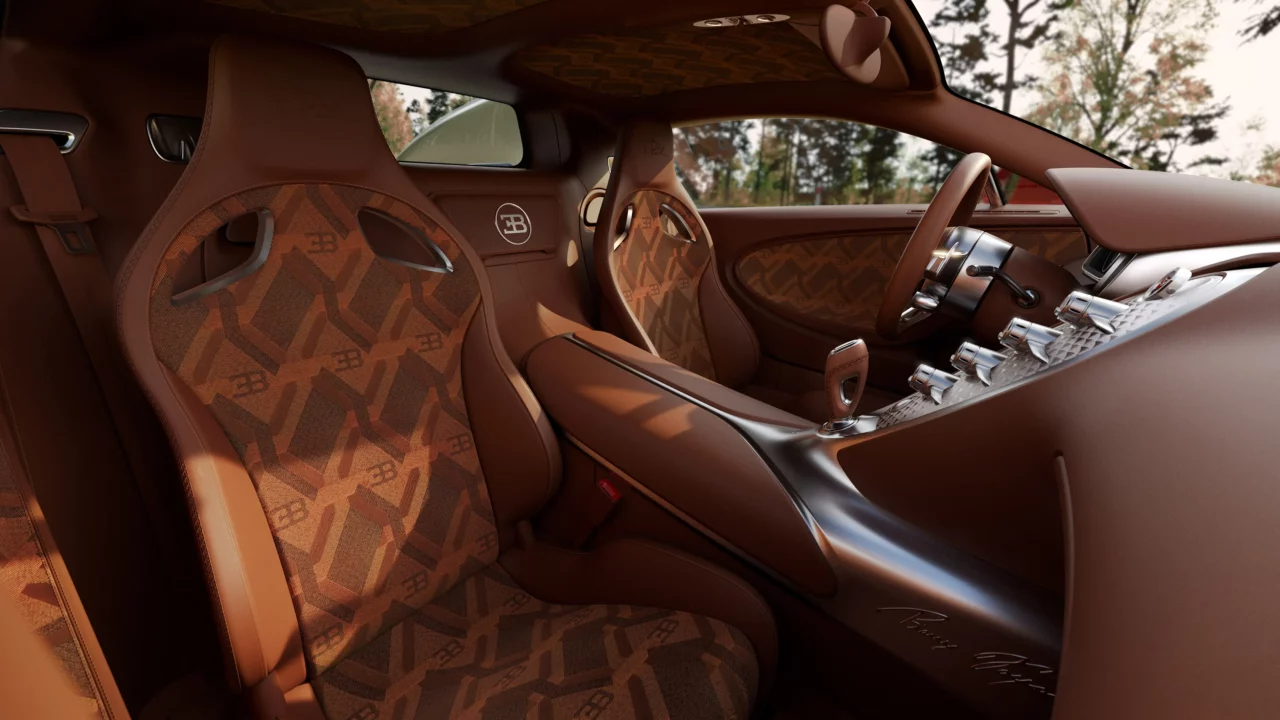
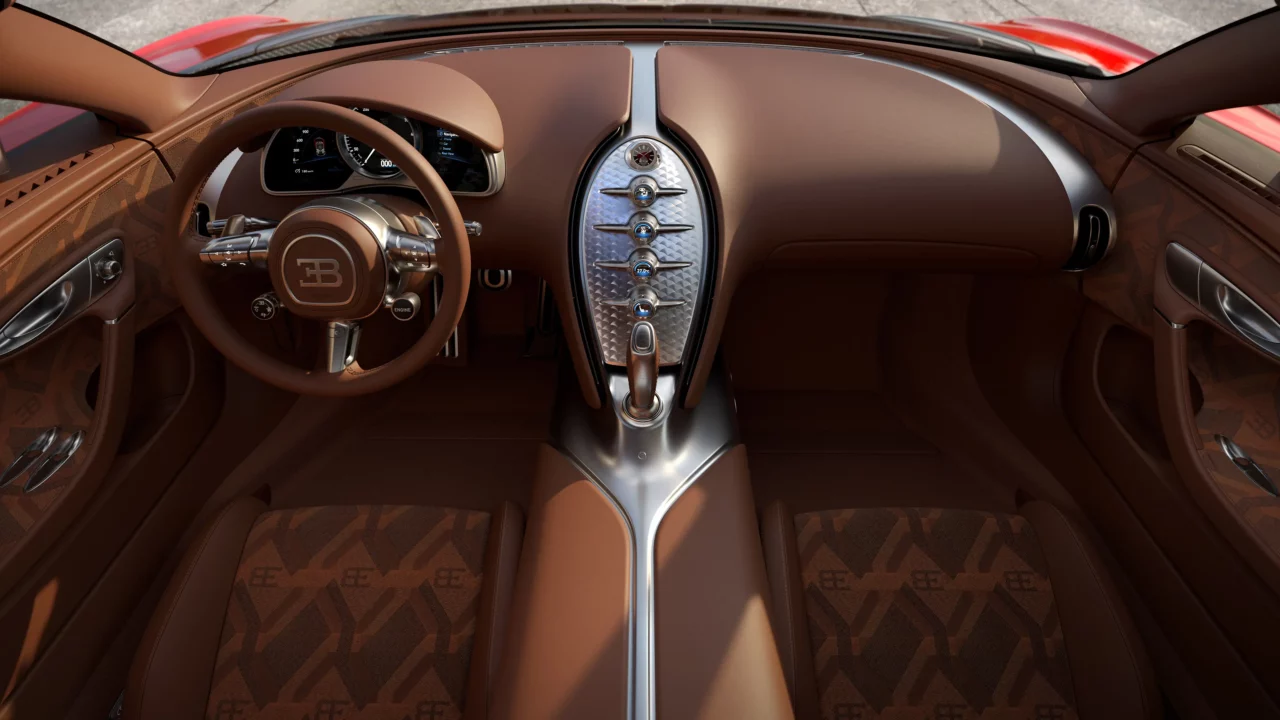
Dominating the dashboard is an Audemars Piguet Royal Oak Tourbillon, a 41mm timepiece integrated into this vehicle at the request of the future owner of F.K.P. Hommage. The octagonal watch sits within an “island” finished in engine-turned polish, a technique borrowed from the finishing of Ettore Bugatti’s original straight-eight cylinder heads. The watch features an ingenious self-winding mechanism: a gondola that rotates on a diagonal axis several times per hour, powered by the car itself without electrical connection. This unique integration reflects the customer’s personal vision and Bugatti’s ability to accommodate highly individual requests as part of the Programme Solitaire.
“Prof. Dr. Ferdinand Karl Piëch was the ultimate engineer, always demanding that his cars had the very latest and most advanced technology. So for the F.K.P. Hommage we honor his vision with the highest specification engine of 1,600 hp, the reinforced double-clutch gearbox, the latest tire compounds and optimized thermo- and aerodynamics – all the latest developments across 20 years of W16 evolution, wrapped in the timeless shape of a Veyron. It was a tremendous honor to work directly with the client on this project, refining every detail through multiple iterations to create what I consider the ideal, definitive Veyron.”
Frank Heyl
Bugatti Design Director
The F.K.P. Hommage joins Brouillard as the second creation of Programme Solitaire, Bugatti’s exclusive initiative creating up to two bespoke masterpieces annually. Like all Solitaire projects, it completely reimagines the bodywork, interior details, and delivers ultimate personalization that celebrates the deep stories woven throughout Bugatti’s heritage.
The Bugatti F.K.P. Hommage will be physically unveiled at Ultimate Supercar Garage in the frame of Rétromobile Paris from January 29 to February 1 2026.