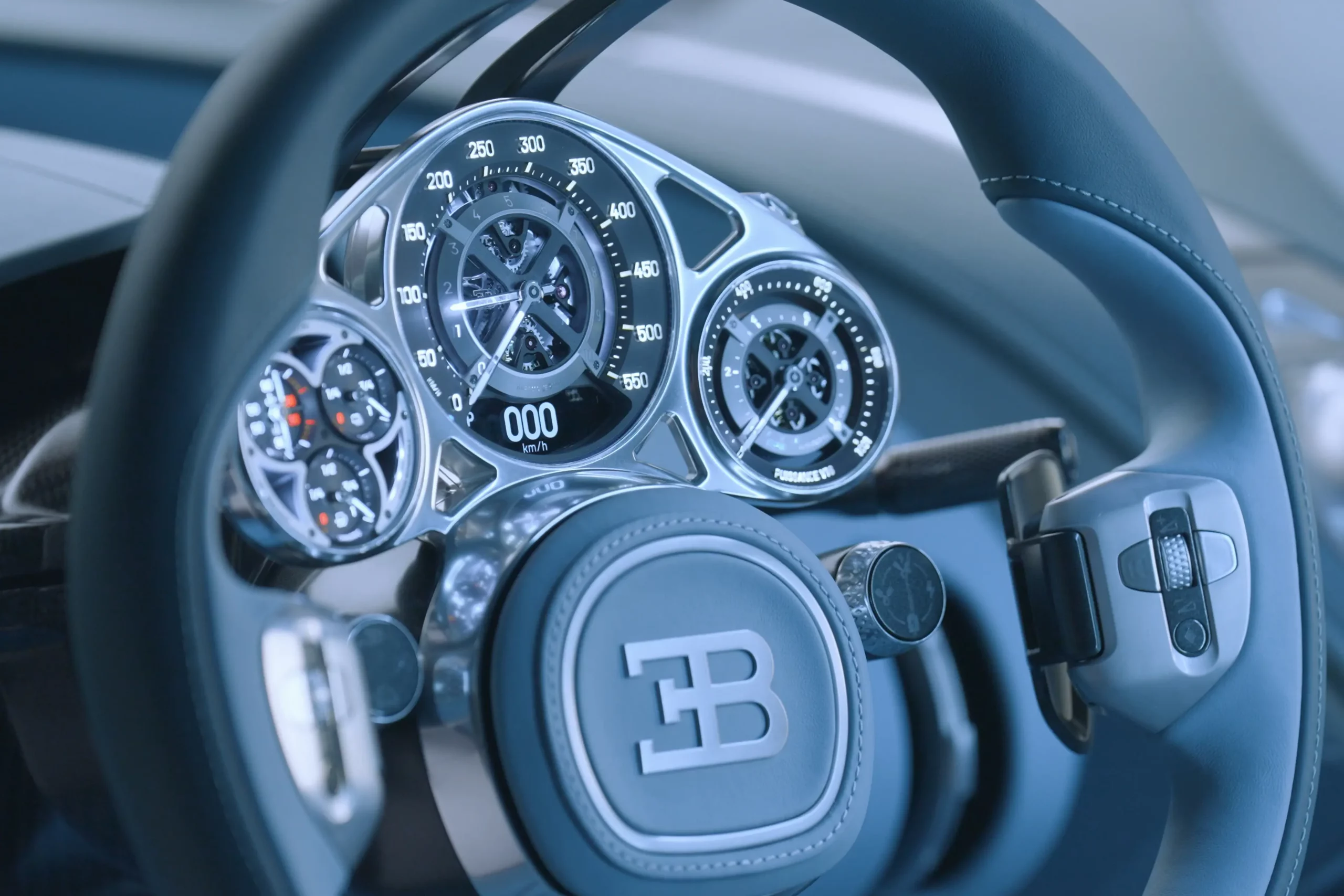
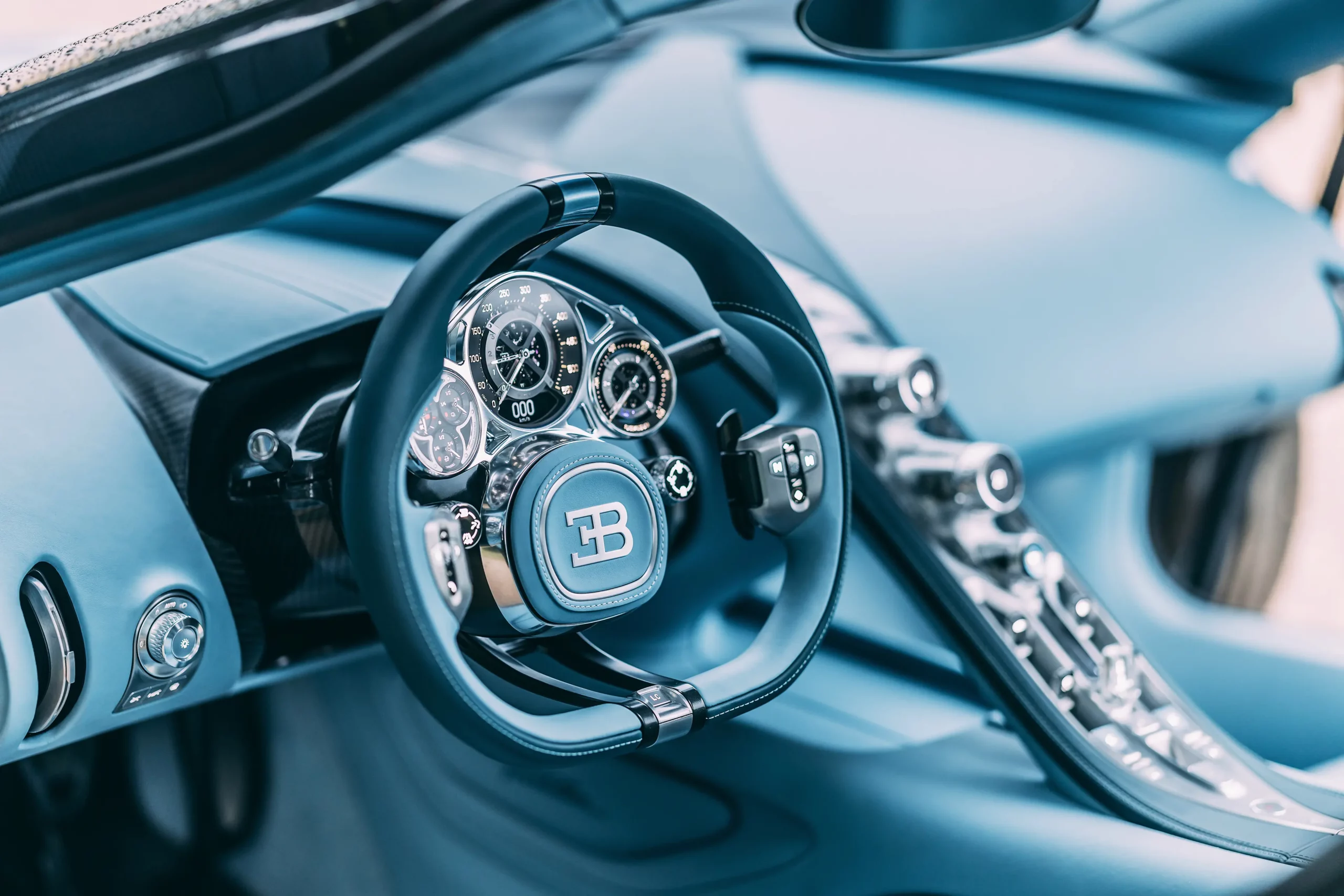
Many modern hypercars speak to their drivers through pixels and screens. The Bugatti Tourbillon takes a different approach entirely. Its analog instrument cluster is a technical and artistic achievement born from the convergence of watchmaking precision and automotive engineering at their highest levels.
The name Tourbillon reflects the Bugatti philosophy of mechanical timelessness. Unlike its predecessors, which honored legendary racing drivers, the marque’s latest hypercar takes its name from a watchmaking invention created in 1801 that counteracts gravity’s effects to ensure precise timekeeping. Over 200 years later, it remains revered as the pinnacle of watchmaking.
This ethos and naming choice demanded timeless components that would never age. The solution: an entirely analog instrument cluster assembled by hand at Concepto, a Swiss manufacture specializing in haute horlogerie. Featuring more than 650 individual components crafted using traditional watchmaking techniques and finished with the same care found in the world’s greatest timepieces, it represents a masterpiece within a masterpiece.
“Because this car is different from its predecessors, which were named after Bugatti pilotes, this one is called Tourbillon. The idea behind this car is to have the very best in its field for every component. The engine is developed at the highest level by true specialists, and the instrument cluster is created in the same way, in collaboration with renowned experts in fine watchmaking.”
Alexandra Tavares
Interior Designer and Individualization Expert at Bugatti Rimac
For Concepto, the Tourbillon project represented both an honor and a formidable challenge – a bridge between the automotive world and the watch industry that demanded innovation while honoring the traditions of both.
The ambition was clear from the outset.
“We wanted to create something truly exceptional, at the level Bugatti demands. People often say, ‘If it’s comparable, it is no longer Bugatti.’ I like that phrase, because Concepto movements are much the same.”
Valérien Jaquet
CEO and Founder of Concepto
“We knew from the outset that it would be a challenge. But these are exactly the kinds of projects that are incredibly motivating for our development and design teams, and for everyone involved, because the final result is truly spectacular.”
Guillaume Tripet
Project Manager at Concepto
The technical challenges were formidable. The cluster had to combine the mechanical precision of haute horlogerie with automotive electronics capable of keeping pace with the Tourbillon’s performance. These are components entirely foreign to traditional watchmaking, yet they had to be integrated seamlessly with hand-finished mechanical elements.
The difference in scale between traditional watchmaking and its automotive application presented a unique challenge for the Concepto team. While timepieces are typically measured in mere millimeters, the Tourbillon’s instrument cluster modules are vastly larger in scale.
Yet despite this dramatic increase in scale, the same meticulous attention to detail and uncompromising finishing standards of haute horlogerie were required. None of the conventional watchmaking tools proved suitable, necessitating the development of entirely new methods and equipment created specifically for this project.
“The concept of creating something that transcends time fits perfectly within the world of fine watchmaking. As a watchmaker, building the instrument clusters for Bugatti is an amazing project. We’re applying centuries-old traditions to create something that will remain relevant and beautiful for generations to come, which is exactly what we strive for in haute horlogerie.”
David Olafsson
Watchmaker at Concepto
The Tourbillon’s cluster showcases an array of finishing techniques traditionally reserved for the finest timepieces. Customers can select from various decorative finishes including Clous de Paris, radial guilloché, tapestry and engine-turned patterns that reference Bugatti’s historical design language, as well as highly exclusive options from the world of gems such as Aventurine. Each option is presented to customers as physical samples, allowing them to see firsthand how the finish looks rather than relying on digital renderings.

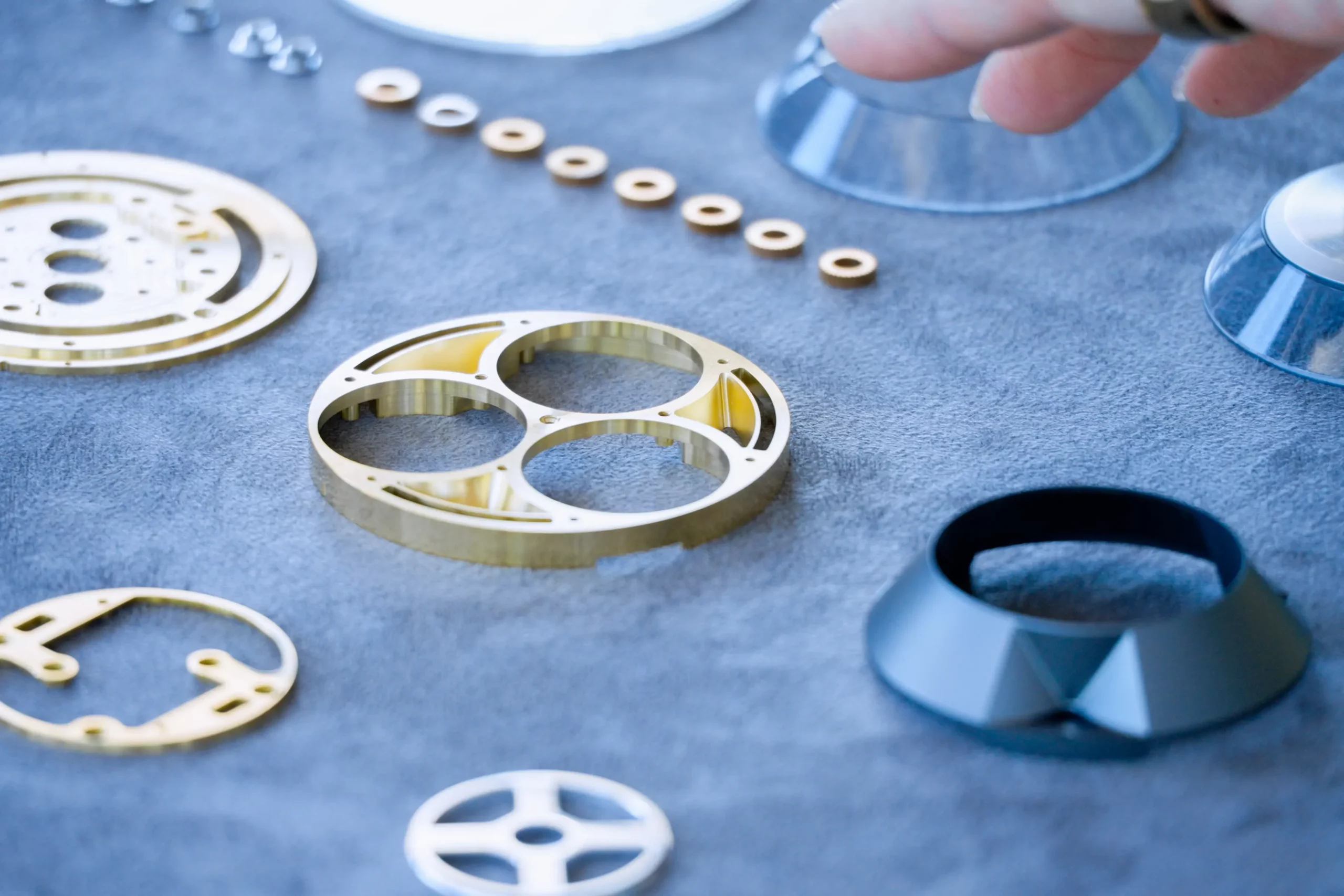
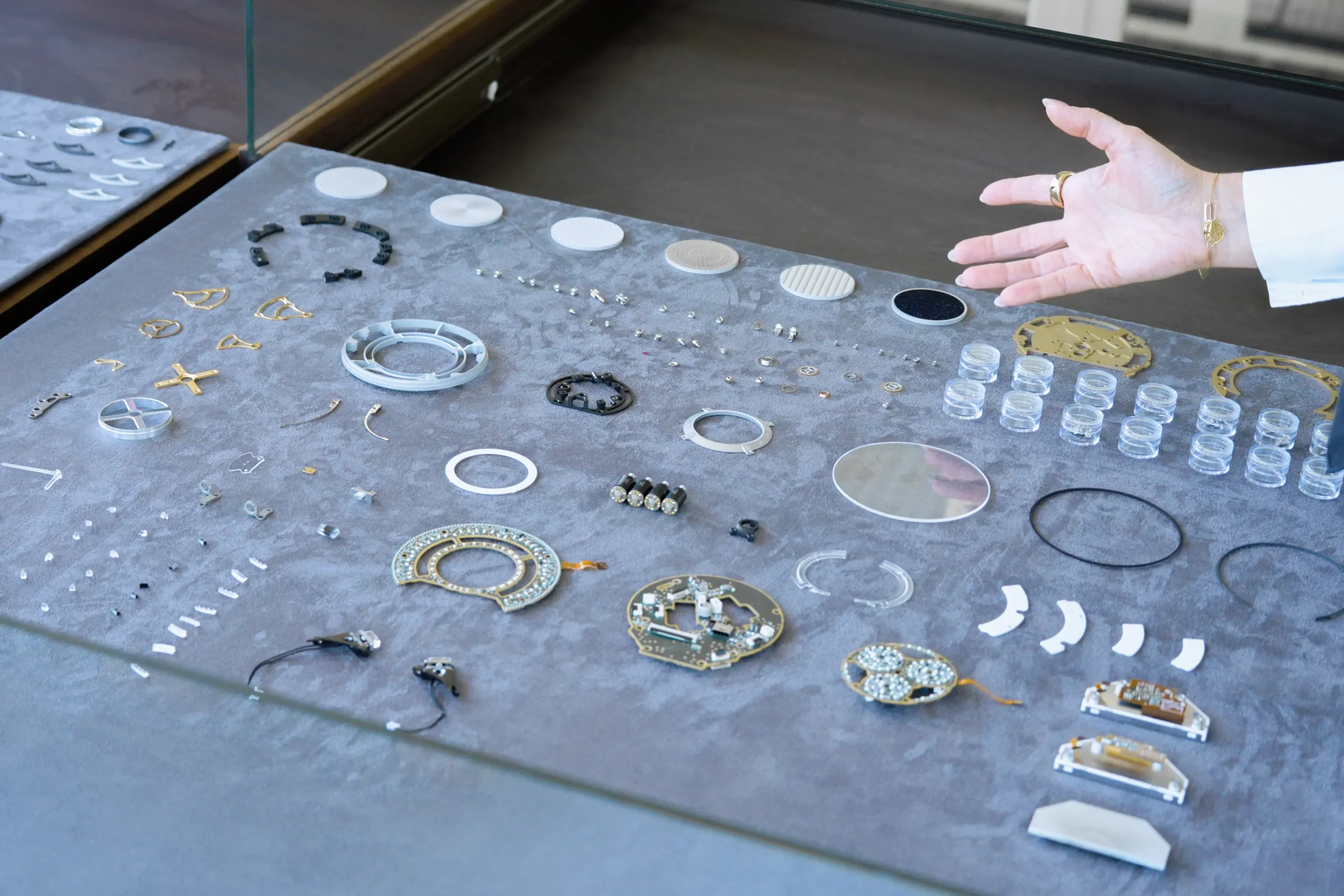
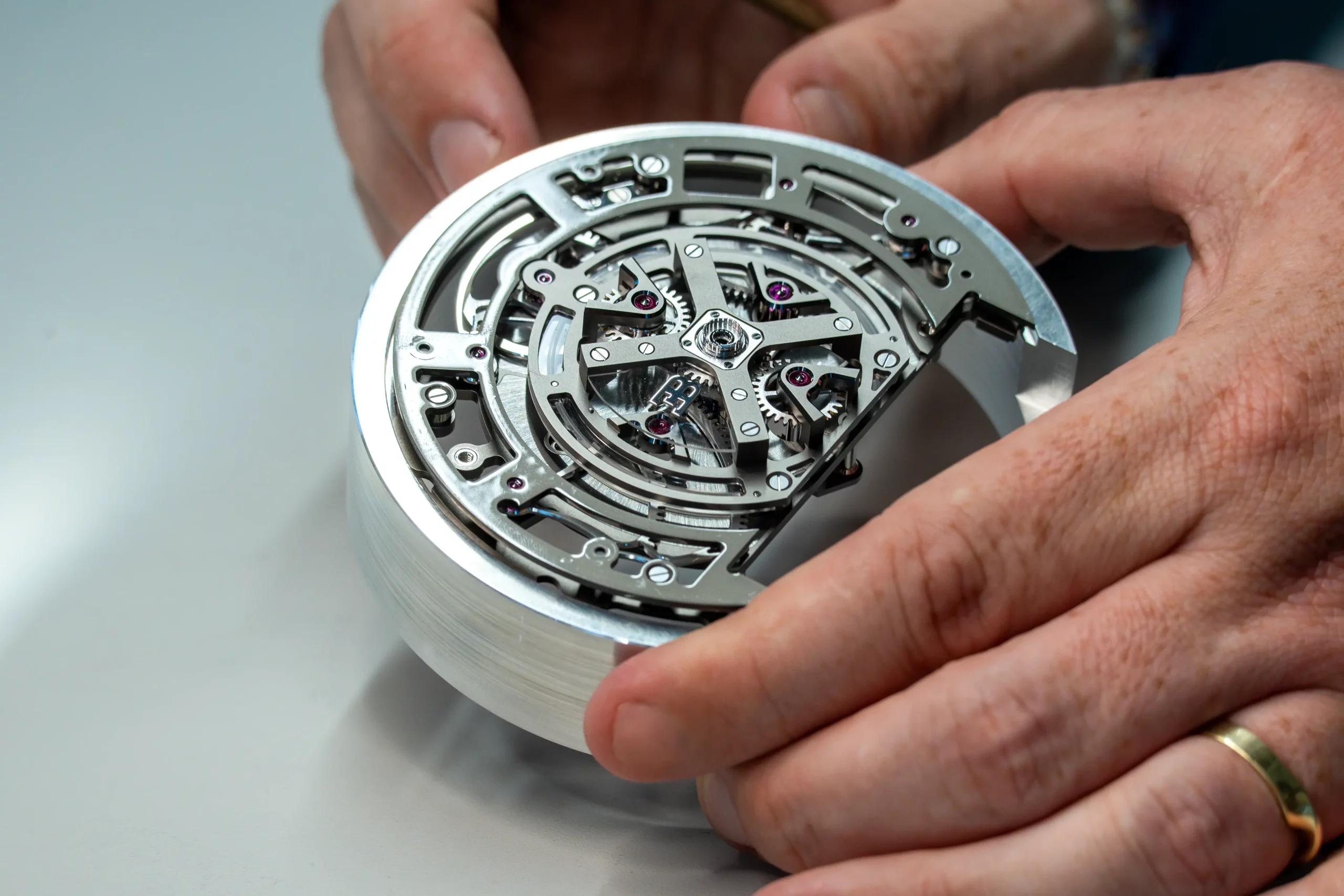
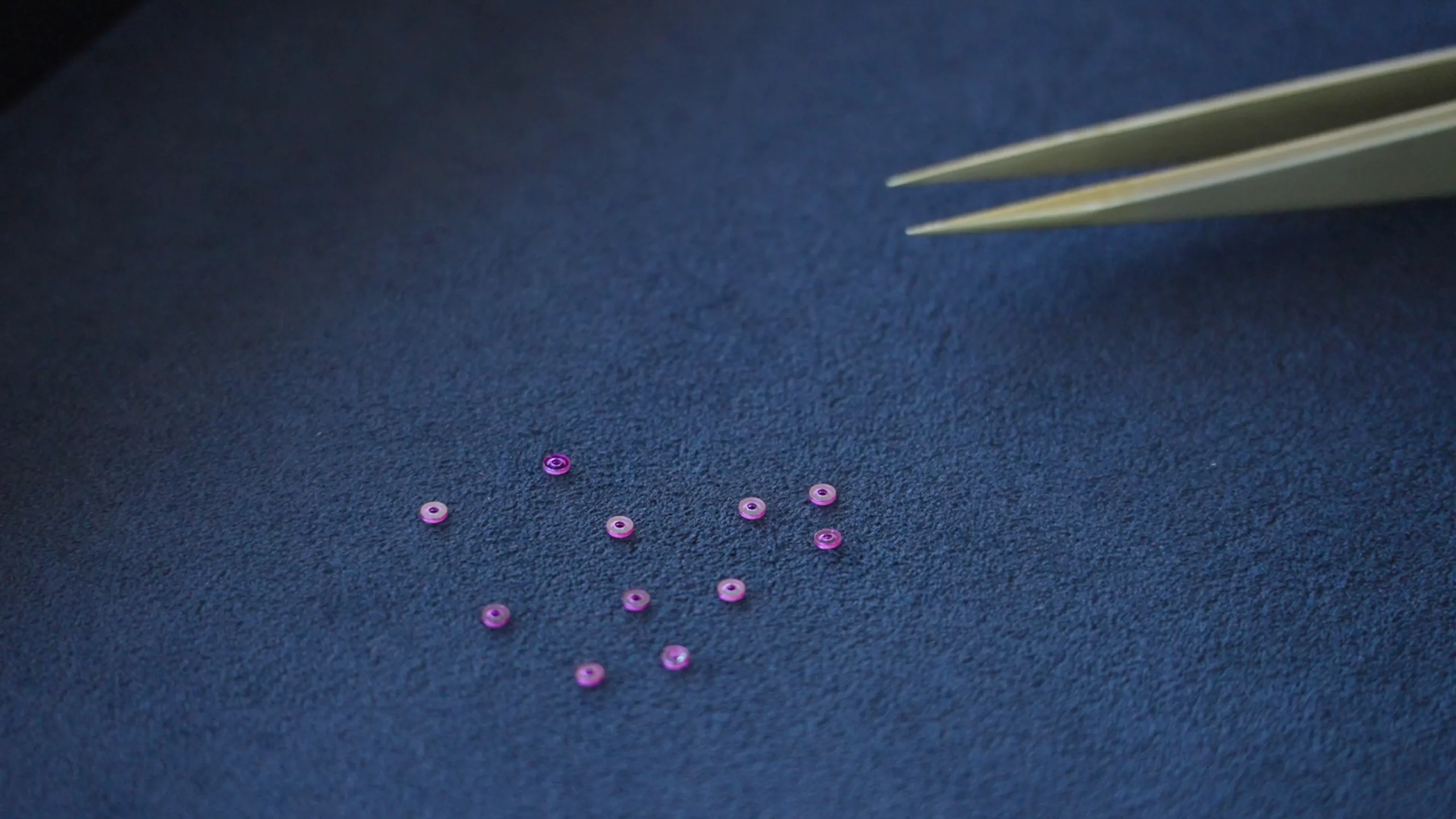
Functional rubies serve as bearing jewels – not an aesthetic detail, but the optimal material for reducing friction in the mechanical movements. Sapphire crystal, skeletonized structures and hand-finished needles ensure that every visible component meets the exacting standards of both Bugatti and Concepto. The gears have been specially designed for the Tourbillon, making them unique to the car and brand.
The integration of automotive technology presented its own challenges. LEDs and PCBs had to be seamlessly incorporated into an assembly process traditionally free of such components. Material selection also evolved throughout development, with lighter materials imposing new limitations on available colors and finishes, including considerations for diamond-encrusted elements.
“You could think of it as a car within a car, because it has its own – let’s say – heart. Like a watch, you have the engine and all the mechanisms, and you create your own piece, your own design. Here, it’s the same: the cluster is a piece in its own right within the car, yet it belongs to the car as a whole. With more than 650 components, there are countless ways to customize it, making it a masterpiece within the masterpiece that is the Tourbillon.”
Alexandra Tavares
Interior Designer and Individualization Expert at Bugatti Rimac
The cluster’s prominence is only enhanced by the Tourbillon’s fixed-hub steering wheel design, which ensures an unobstructed view of the instrument panel regardless of steering input. This unique architecture allows the cluster to remain constantly visible, with the steering wheel rim rotating around it rather than spokes obscuring the driver’s view. The design decision places the cluster at the heart of the driver’s experience, offering a constantly visible reminder of the craftsmanship that defines each aspect of the Tourbillon.
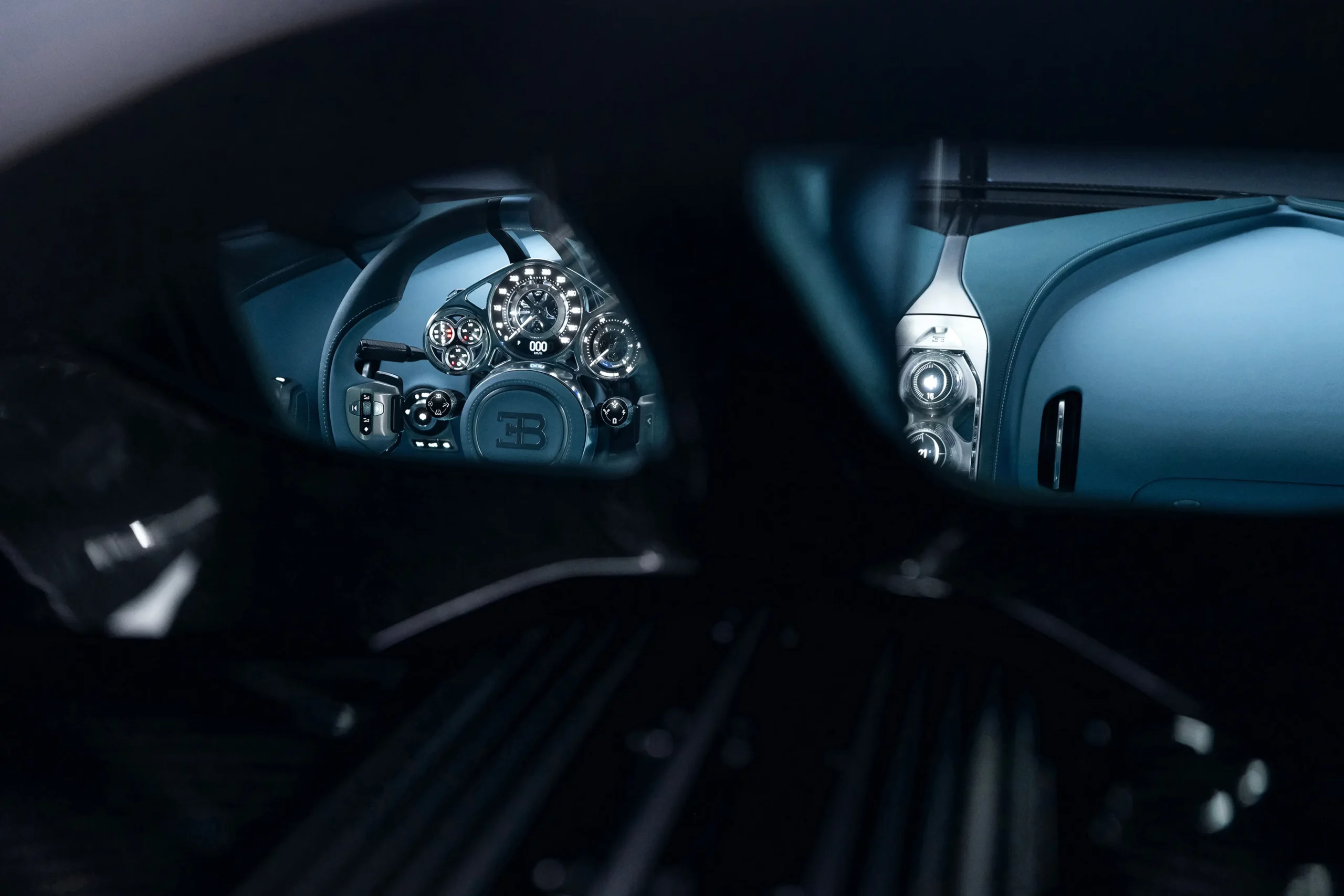
By bringing together automotive engineering and traditional watchmaking, the Tourbillon’s instrument cluster opens new possibilities for personalization. The 650-component assembly allows clients to specify finishes, materials, and details in ways that simply weren’t possible with conventional dashboard designs.
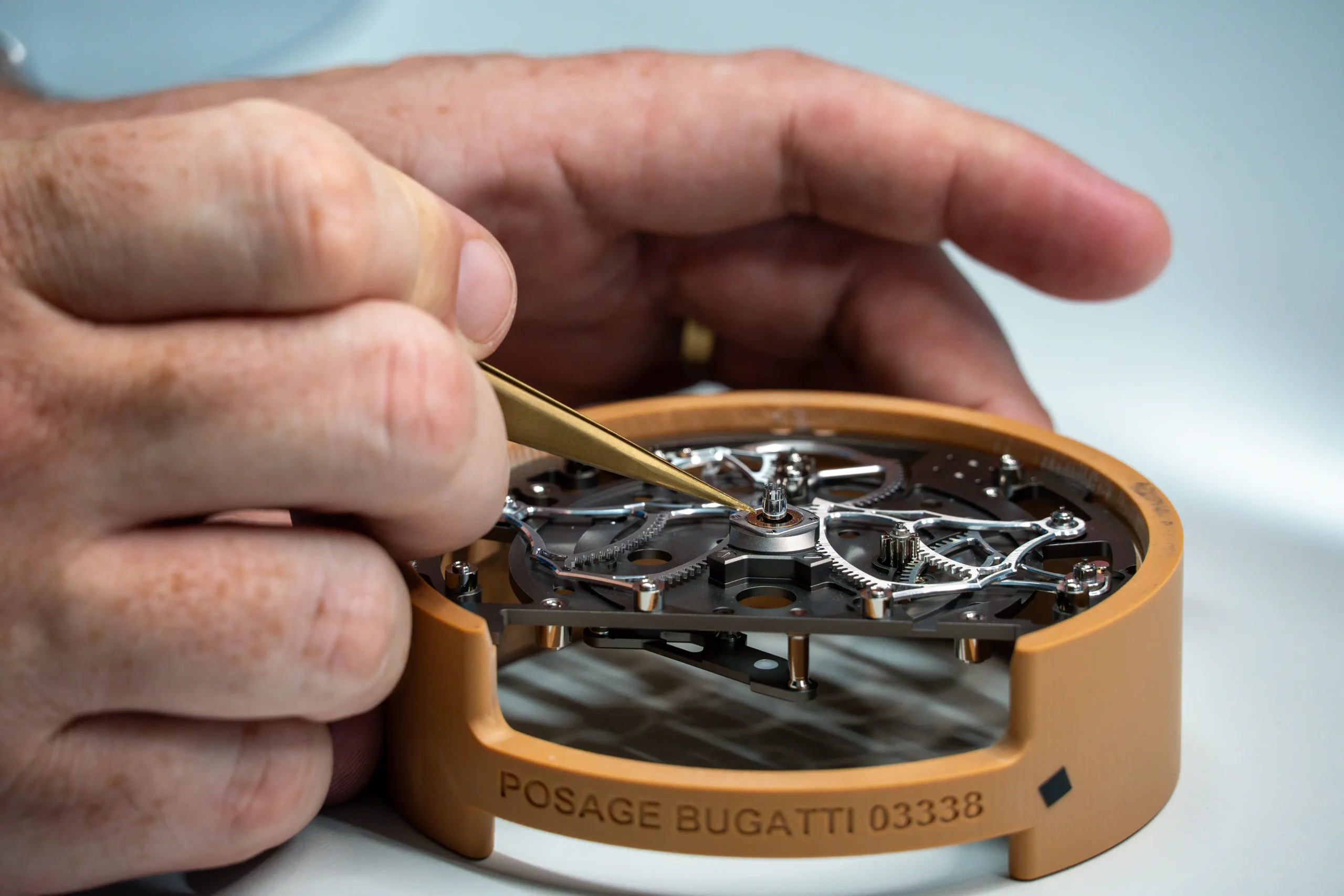
The result is an analog instrument cluster that combines the precision and craft traditions of haute horlogerie with the performance demands of a modern hypercar: a functional piece of the car that clients can configure to their own specifications, just as they might commission a bespoke timepiece.
“Timelessness is one of the core pillars of Bugatti. We create automobiles that are meant to be admired not only today, but on the lawns of Concours even 100 years from now. That commitment to longevity demands absolute perfection and craftsmanship in every detail. When the idea of an entirely analog instrument cluster emerged, it was clear that we needed a partner who shared this uncompromising philosophy. In Concepto, we found exactly that – a team capable of bringing this bold vision to life at the highest level. Seeing our customers now explore the countless possibilities to design their own clusters during configuration sessions is incredibly inspiring, and we look forward to witnessing these highly personal masterpieces come to life.”
Hendrik Malinowski
Managing Director of Bugatti