Carved into the forests of Germany’s Eifel Mountains, the Nürburgring Nordschleife is widely regarded as the most demanding racing circuit ever built. Stretching across more than twenty kilometres of twisting asphalt, it combines extraordinary length, relentless elevation changes and over 150 corners into a challenge unlike any other in motorsport.
Nicknamed “The Green Hell” by Jackie Stewart, the Nordschleife has become the ultimate benchmark for both driver ability and automotive engineering. From Formula One legends to production-car manufacturers, generations have come here to discover one simple truth: every weakness is exposed.
Today the Nordschleife remains the world’s definitive proving ground, simultaneously serving as a legendary racing circuit, an engineering laboratory and one of the greatest destinations in global automotive culture.
In Brief
- The Nordschleife opened in 1927 as part of the original Nürburgring.
- Jackie Stewart famously coined the nickname “The Green Hell.”
- At over 20.8 kilometres, it remains one of the world’s longest permanent racing circuits.
- More than 150 corners make memorisation one of the greatest challenges in motorsport.
- Touristenfahrten allows members of the public to drive the circuit on selected days.
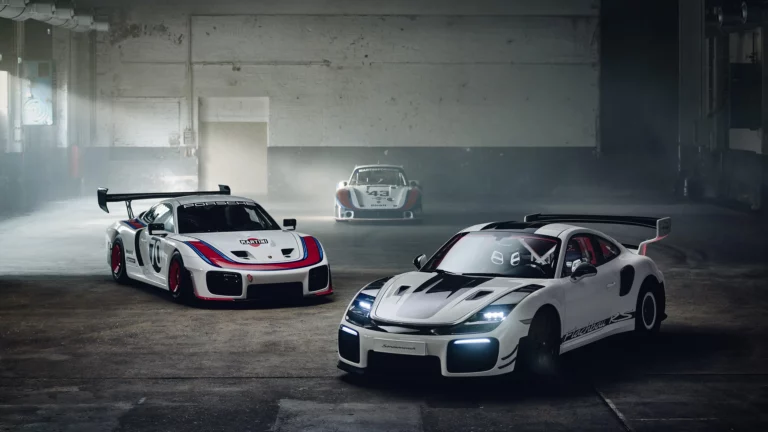
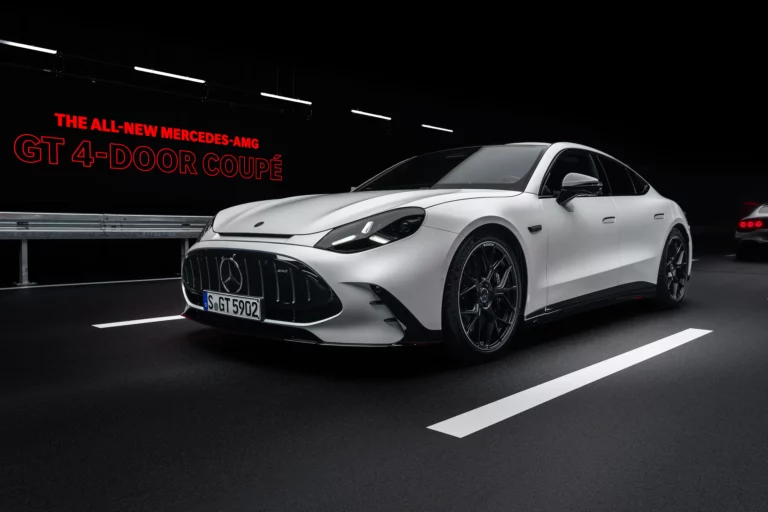
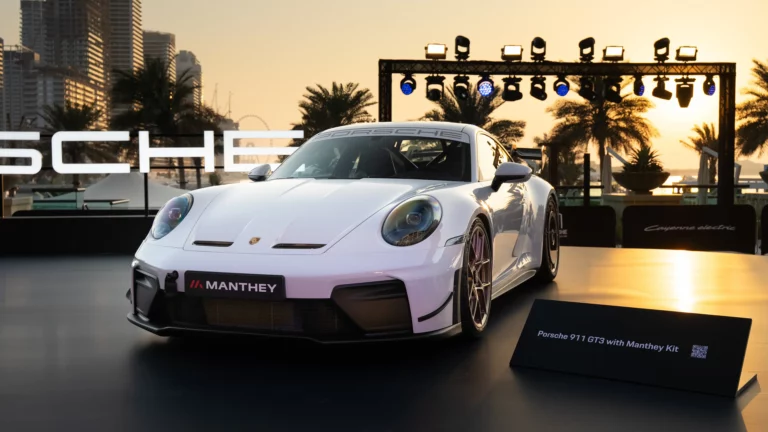
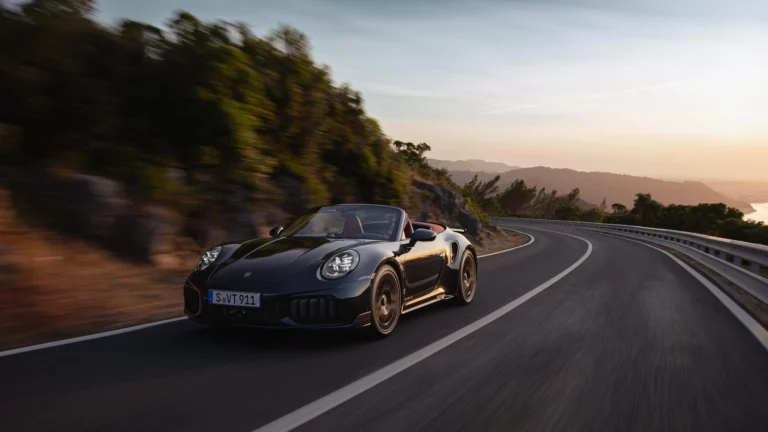
- Most major performance-car manufacturers maintain testing programmes at the Nürburgring.
- Nürburgring Nordschleife lap times have become one of the world’s most recognised benchmarks for production-car performance.
History
The Nordschleife formed part of the original Nürburgring complex, which officially opened in 1927 after two years of construction. Built primarily as a national racing facility and employment project, the original circuit combined the Nordschleife, Südschleife and connecting roads into one of the longest permanent racing venues ever created.
Almost immediately, the Nordschleife earned a reputation unlike any other circuit. Its natural terrain produced an extraordinary combination of blind crests, compressions, off-camber corners and constantly changing weather conditions that challenged even the finest drivers of the era.
The circuit became home to the German Grand Prix and numerous international endurance races before Formula One withdrew following Niki Lauda’s accident in 1976.
Rather than fading into history, the Nordschleife entered a new chapter.
As manufacturers began searching for the ultimate environment in which to develop high-performance automobiles, the circuit evolved into the world’s premier vehicle development facility. Today virtually every major performance manufacturer maintains an engineering presence around the Nürburgring, using the Nordschleife to validate everything from sports cars and supercars to electric vehicles and high-performance tyres.
Circuit Design
The Nordschleife measures 20.832 kilometres and features approximately 154 corners, making it by far the longest permanent circuit regularly used for international competition.
Unlike modern race circuits, the Nordschleife follows the natural contours of the Eifel Mountains. The lap climbs and descends more than 300 metres, crossing valleys, forests and ridgelines with almost no artificial shaping of the terrain.
No two sectors share the same character.
Fast sweepers are followed by technical complexes. Smooth surfaces suddenly become bumpy. Camber changes continuously influence grip levels while weather conditions often vary dramatically between different parts of the circuit.
Rather than encouraging a single racing line, the Nordschleife constantly rewards anticipation, adaptability and experience.
It remains one of the few circuits where a driver is still learning after hundreds of laps.
LENGTH
20.832
kilometres
WIDTH
6–8
metres
DIRECTION
CW
clockwise
TURNS
93
45 left – 48 right
SURFACE
Asphalt
LONGEST STRAIGHT
2,509
metres
ELEVATION CHANGE
292.4
metres
OPENED
1927
99 years ago
The Nordschleife is defined by an extraordinary combination of length, elevation, changing surfaces and more than 150 corners, making memorisation and anticipation fundamental to a fast lap. From Hatzenbach and Hocheichen the circuit develops through Flugplatz and Schwedenkreuz towards the heavy braking at Aremberg, before descending rapidly through Fuchsröhre and climbing again towards Adenauer Forst.
The middle of the lap continues through a succession of distinctive sections including Metzgesfeld, Wehrseifen and Bergwerk, whose exit begins the long climb through Kesselchen towards Klostertal. The Karussell, with its steep concrete banking, provides the circuit’s most recognisable corner before Hohe Acht, Wippermann and Brünnchen lead into another sequence of rapid elevation and direction changes.
The final kilometres remain equally demanding through Pflanzgarten, Schwalbenschwanz and the Kleine Karussell before Galgenkopf determines acceleration onto the long Döttinger Höhe. No individual corner defines the Nordschleife; its challenge comes from maintaining precision and commitment across an enormous continuous sequence in which crests, compressions, blind approaches and changing grip constantly alter the relationship between vehicle and road.
| Corner |
|---|
| T1 · Sabine-Schmitz-Kurve 117° · Left · 98 m |
| C1 · Hatzenbogen |
| T2 030° · Right · 77 m |
| T3 050° · Right · 113 m |
| C2 · Hatzenbach |
| T4 022° · Left · 99 m |
| T5 030° · Left · 57 m |
| T6 067° · Right · 73 m |
| T7 027° · Right · 59 m |
| T8 034° · Left · 60 m |
| T9 044° · Right · 50 m |
| T10 068° · Left · 64 m |
| C3 · Hocheichen |
| T11 075° · Right · 91 m |
| T12 051° · Left · 78 m |
| T13 · Quiddelbacher Höhe 017° · Right · 77 m |
| C4 · Flugplatz |
| T14 035° · Right · 53 m |
| T15 028° · Right · 85 m |
| T16 015° · Left · 59 m |
| T17 · Schwedenkreuz 028° · Left · 133 m |
| T18 · Aremberg 134° · Right · 178 m |
| C5 · Fuchsröhre |
| T19 019° · Left · 71 m |
| T20 015° · Left · 73 m |
| T21 020° · Left · 73 m |
| T22 025° · Left · 24 m |
| C6 · Adenauer Forst |
| T23 060° · Right · 89 m |
| T24 106° · Left · 97 m |
| T25 091° · Right · 76 m |
| T26 · Metzgesfeld 050° · Left · 113 m |
| C7 · Kallenhard |
| T27 081° · Left · 106 m |
| T28 033° · Right · 49 m |
| T29 118° · Right · 107 m |
| C8 · Spiegelkurve |
| T30 045° · Left · 71 m |
| T31 028° · Right · 42 m |
| C9 · Dreifach-Rechts |
| T32 071° · Right · 165 m |
| T33 020° · Right · 37 m |
| C10 · Wehrseifen |
| T34 035° · Right · 48 m |
| T35 132° · Left · 97 m |
| T36 055° · Right · 90 m |
| C11 · Breidscheid |
| T37 017° · Right · 44 m |
| T38 073° · Left · 73 m |
| T39 035° · Left · 82 m |
| T40 · Exmühle 069° · Right · 78 m |
| T41 · Lauda-Links 024° · Left · 58 m |
| C12 · Bergwerk |
| T42 111° · Right · 140 m |
| T43 015° · Right · 41 m |
| C13 · Senkenlinks |
| T44 020° · Left · 69 m |
| T45 014° · Left · 46 m |
| T46 024° · Left · 82 m |
| T47 · Kesselchen 024° · Right · 113 m |
| C14 · Mutkurve |
| T48 035° · Left · 89 m |
| T49 021° · Left · 73 m |
| T50 · Klostertal 034° · Right · 83 m |
| C15 · Steilstrecke |
| T51 157° · Right · 175 m |
| T52 012° · Left · 50 m |
| T53 · Karussell 228° · Left · 156 m |
| C16 · Hohe Acht |
| T54 036° · Right · 63 m |
| T55 021° · Right · 43 m |
| T56 031° · Left · 43 m |
| T57 045° · Left · 67 m |
| T58 045° · Right · 53 m |
| T59 084° · Right · 110 m |
| T60 017° · Left · 42 m |
| T61 · Hedwigshöhe 040° · Right · 81 m |
| C17 · Wippermann |
| T62 057° · Left · 126 m |
| T63 046° · Right · 65 m |
| C18 · Eschbach |
| T64 068° · Right · 116 m |
| T65 063° · Left · 86 m |
| T66 037° · Left · 93 m |
| C19 · Brünnchen |
| T67 075° · Right · 79 m |
| T68 097° · Right · 117 m |
| C20 · Eiskurve |
| T69 081° · Left · 96 m |
| T70 023° · Right · 48 m |
| C21 · Pflanzgarten |
| T71 016° · Left · 58 m |
| T72 028° · Left · 57 m |
| T73 012° · Right · 59 m |
| T74 044° · Right · 105 m |
| T75 037° · Right · 68 m |
| T76 033° · Left · 100 m |
| T77 · Sprunghügel 019° · Left · 57 m |
| C22 · Stefan-Bellof-S |
| T78 041° · Right · 138 m |
| T79 017° · Left · 56 m |
| T80 029° · Right · 94 m |
| C23 · Schwalbenschwanz |
| T81 044° · Right · 96 m |
| T82 072° · Left · 124 m |
| C24 · Mini-Karussell |
| T83 098° · Left · 115 m |
| T84 024° · Left · 67 m |
| C25 · Galgenkopf |
| T85 040° · Right · 47 m |
| T86 017° · Right · 28 m |
| T87 078° · Right · 227 m |
| T88 · Tiergarten 015° · Left · 71 m |
| C26 · Hohenrain |
| T89 021° · Right · 77 m |
| T90 027° · Left · 68 m |
| T91 081° · Right · 77 m |
| T92 047° · Left · 71 m |
| T93 · T13 068° · Right · 49 m |
The Nordschleife became one of international motorsport’s defining circuits after opening in 1927, hosting Grand Prix, sports-car, touring-car and motorcycle competition across successive generations. Its exceptional difficulty inspired Jackie Stewart’s famous description “Green Hell”, while its history includes many of the drivers, manufacturers and racing machines that shaped twentieth-century European motorsport.
Its importance extends far beyond organised racing. Manufacturers and specialist engineering companies use the Nordschleife extensively for vehicle development, durability testing and performance benchmarking, while production-car lap times have become internationally recognised measures of high-performance capability. Few circuits have influenced the development and public perception of road cars as directly.
The Nordschleife also maintains an unusual connection with ordinary enthusiasts through Touristenfahrten, allowing members of the public to experience the same extraordinary road themselves. Competition, manufacturer development and public driving therefore coexist on one circuit, making the Nordschleife a unique meeting point between motorsport history, automotive engineering and enthusiast culture.
Visitor Experience
Few places offer enthusiasts as many opportunities to experience motorsport firsthand.
During Touristenfahrten, members of the public can drive the Nordschleife in road-legal vehicles, sharing the circuit with fellow enthusiasts from around the world. Manufacturer prototypes frequently circulate alongside sports cars, motorcycles and carefully preserved classics, creating a uniquely democratic atmosphere.
This accessibility has created a distinctive international community around the circuit. Drivers, riders, photographers, manufacturers, workshops and enthusiasts gather around the Nordschleife throughout the season, giving it an atmosphere closer to a living automotive landscape than a conventional motorsport venue.
Visitors can also watch endurance races, explore nearby museums and enjoy the remarkable culture that has developed around the villages surrounding the circuit, where automotive engineering forms part of everyday life.
Climate
| Month | High °C | Low °C | Rainfall mm | Rainy days | Daylight h |
|---|---|---|---|---|---|
| January | 3° | −1° | 67 | 14 | 8.6 |
| February | 4° | −2° | 59 | 13 | 10.1 |
| March | 8° | 1° | 65 | 14 | 11.9 |
| April | 12° | 4° | 58 | 13 | 13.8 |
| May | 16° | 7° | 74 | 14 | 15.5 |
| June | 19° | 11° | 79 | 14 | 16.4 |
| July | 21° | 13° | 83 | 15 | 15.9 |
| August | 21° | 13° | 78 | 14 | 14.4 |
| September | 17° | 10° | 65 | 11 | 12.6 |
| October | 12° | 6° | 65 | 13 | 10.7 |
| November | 7° | 3° | 66 | 13 | 9.0 |
| December | 4° | 0° | 78 | 16 | 8.1 |
Monthly averages for Nürburgring Nordschleife, 1991–2020.
Generated using Copernicus Climate Change Service information 2026 (CC BY 4.0).
Neither the European Commission nor ECMWF is responsible for any use that may be made of the Copernicus information or data it contains.
Location
The Nordschleife lies within the Nürburgring complex near Nürburg in Germany’s Eifel Mountains.
Surrounded by forests, volcanic hills and traditional villages, it remains one of Europe’s most distinctive motorsport landscapes and a global destination for engineers, manufacturers and enthusiasts alike.
Address
Nürburgring Nordschleife
53518 Quiddelbach
Rheinland-Pfalz
Germany
Website